Introduction
“Fatigue is not just tiredness – it’s exhaustion that rest doesn’t always fix.” If you live with rheumatoid arthritis you know how true that feels. According to studies over 80% of people with RA experience chronic fatigue and yet the world still expects productivity on a fixed schedule. Sound familiar?
I’ve seen first-hand how traditional productivity advice completely falls apart when chronic pain enters the picture. That’s why time management with RA isn’t about squeezing more into your day – it’s about working with your body not against it. In this guide we’ll explore realistic, compassionate and science-backed ways to balance rest and productivity – without guilt.
Understanding Rheumatoid Arthritis and Energy Limitations
Rheumatoid arthritis affects more than joints – it impacts your entire energy system.
Chronic inflammation places constant demands on your body. This leads to:
- Persistent fatigue that sleep alone doesn’t fix
- Pain and stiffness that slow movement and concentration
- Brain fog that affects planning and decision-making
Unlike ordinary tiredness RA fatigue can feel sudden and overwhelming. One moment you’re fine – the next your energy is gone. Understanding this unpredictability is the first step toward effective time management with RA.
Instead of asking, “How much time do I have?”
A better question is, “How much energy do I have today?”
Why Traditional Time Management Doesn’t Work with RA
Most productivity advice assumes a healthy, predictable body. RA rarely works that way.
Traditional systems often fail because they:
- Rely on rigid schedules instead of flexibility
- Encourage pushing through discomfort
- Measure success by hours worked rather than sustainability
When you push past your limits, you don’t gain time – you borrow it from tomorrow often with interest in the form of flares or exhaustion.
Effective time management with RA replaces rigidity with responsiveness.
The Foundations of Time Management with RA
Before tools and planners you need the right mindset.
Key principles include:
- Health comes first: Protecting your energy is productive
- Flexibility is essential: Plans should bend, not break
- Progress isn’t linear: Some days will be quieter – and that’s okay
- Self-compassion matters: Guilt drains energy faster than rest
When these foundations are in place practical strategies actually work.
Energy-Based Scheduling: Work Smarter Not Longer
Instead of managing time by the clock manage it by energy.
Step 1: Identify Your Energy Patterns
Most people with RA have predictable windows:
- High energy (often mornings or early afternoons)
- Medium energy (functional but slower)
- Low energy (rest-focused)
Track your energy for a week to spot patterns.
Step 2: Match Tasks to Energy Levels
- High energy: Focused work, decision-making, creative tasks
- Medium energy: Emails, light chores, meetings
- Low energy: Rest, stretching, listening to audiobooks
This approach allows productivity without overexertion – one of the core goals of time management with RA.
Balancing Rest and Productivity Without Guilt
Rest is not a reward. For people with RA it’s a medical necessity.
Yet many people struggle with guilt when resting. That guilt often comes from internalized beliefs about productivity and worth.
Reframe rest as:
- Preventative care
- Pain management
- A way to maintain consistency long-term
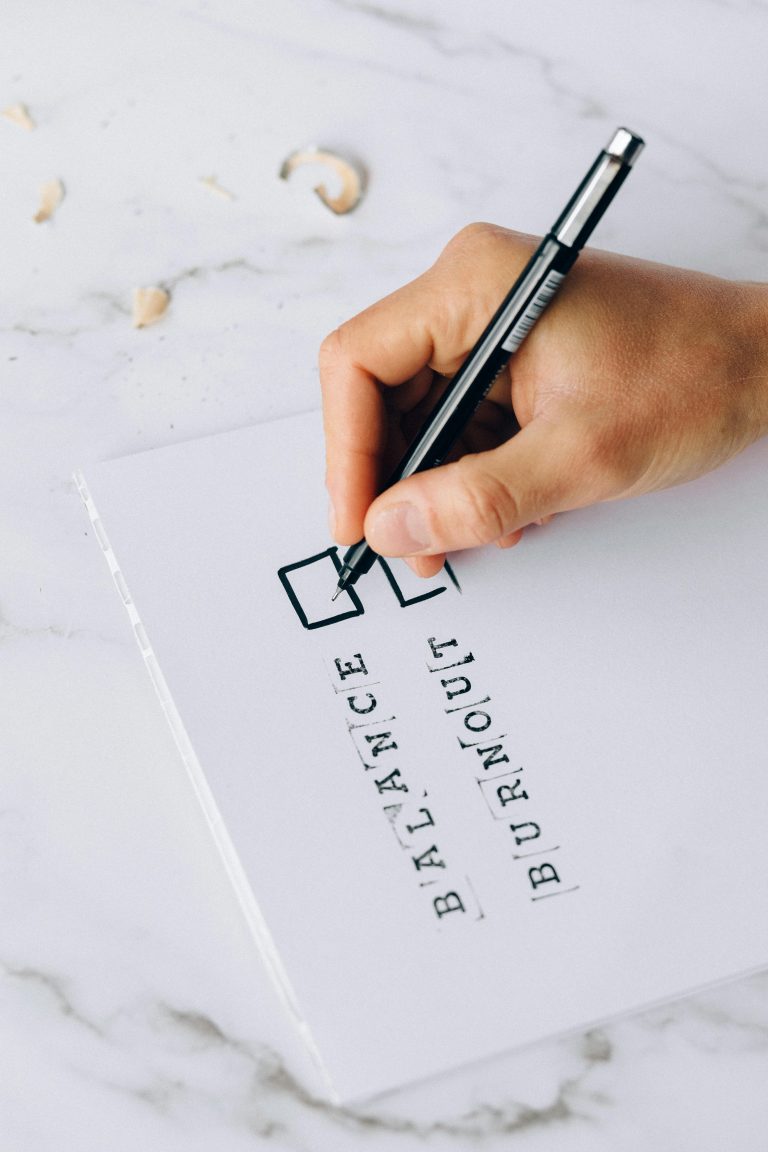
Scheduled rest – short breaks, naps or quiet time – often increases what you’re able to do overall. True productivity includes recovery.
This guide on working full-time with a chronic illness breaks down the systems that help you continue to keep working long-term.
Practical Tools and Techniques for Managing Time with RA
Small adjustments can make a big difference.
Helpful strategies include:
- Task batching: Group similar activities to reduce transitions
- Micro-tasks: Break projects into joint-friendly steps
- Timers: Work for 20–30 minutes, then rest
- Voice tools: Reduce strain from typing or writing
- Automation: Use reminders, templates and shortcuts
The goal isn’t perfection – it’s reducing friction.
Setting Boundaries at Work and Home
Clear boundaries protect your time and your health.
At work:
- Communicate capabilities not just limitations
- Request flexible hours or task prioritization
- Advocate for accommodations without apology
At home:
- Share responsibilities realistically
- Let go of unnecessary standards
- Say no when energy is limited
Strong boundaries make time management with RA sustainable instead of exhausting.
Planning for Flare Days and Bad Pain Days
Flare days happen. Planning for them reduces stress.
Create a bare-minimum plan:
- Identify essential tasks only
- Keep easy meals and shortcuts available
- Prepare low-energy activities in advance
When flares hit the goal shifts from productivity to stability. Everything else can wait.
Free Tool: Chronic Illness Work Survival Kit
If setting boundaries at work feels difficult, having scripts and planning tools helps.
The Chronic Illness Work Survival Kit includes:
- communication templates
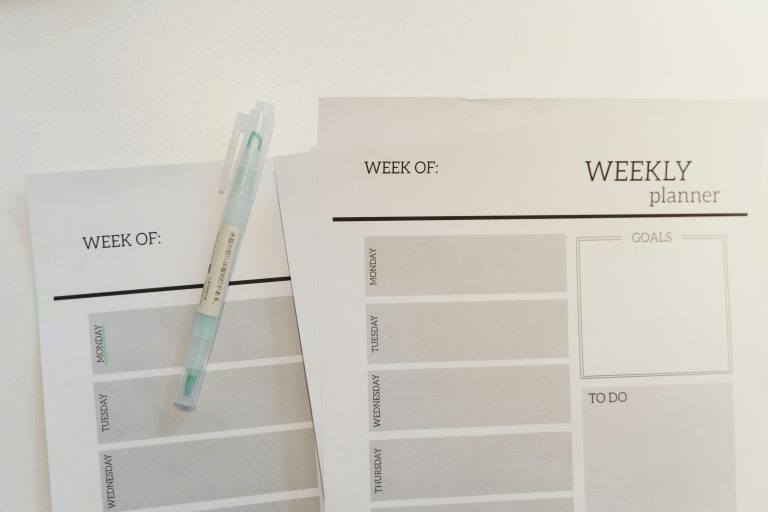
- weekly planning sheets
- flare-day protocols
- energy-based work systems
[Download the Chronic Illness Work Survival Kit]
Conclusion
Mastering time management with RA isn’t about doing more – it’s about doing what matters sustainably. When you honour your body’s signals, plan around energy instead of the clock and build rest into your system, productivity becomes possible again – on your terms.
Start small. Adjust often. And most importantly give yourself permission to rest. Your health is not a delay – it’s the foundation.
Effective time management with RA isn’t about squeezing more into your day – it’s about protecting what matters most: your health, your energy and your quality of life.
By working with your body instead of against it, honouring rest and planning around energy rather than expectations, productivity becomes sustainable again.
You’re not behind. You’re adapting. And that’s a strength.
If this guide resonated with you, consider sharing it – or bookmarking it for the days when balance feels hard. You deserve a system that works with you.