Introduction
“Did you know that people living with chronic illness experience significantly higher daily decision fatigue?” That hit me hard the first time I read it. When you’re living with RA, every choice – from what to wear to how to clean – costs energy. That’s where minimalist living comes in.
Minimalist living with RA isn’t about stark white rooms or giving everything away. It’s about intentional simplicity. It’s about reducing physical strain, mental clutter and emotional overwhelm so you can save your energy for what actually matters. In this guide, I’ll walk you through how minimalism can support life with RA – practically, realistically and compassionately.
What Minimalist Living Means When You Have RA
Minimalist living with RA looks very different from the picture-perfect version often shared online. When you’re managing a chronic illness like rheumatoid arthritis, minimalism isn’t about owning as little as possible – it’s about reducing strain on your body and mind. Through the lens of chronic illness, minimalist living with RA focuses on conserving energy, simplifying daily tasks and creating an environment that supports your physical limitations instead of fighting them. The goal is not perfection, but practicality and comfort.
Traditional minimalism advice doesn’t always work well for RA because it often assumes unlimited physical ability and energy. Many minimalist guides encourage intense decluttering sessions, rigid rules or constant maintenance, which can easily trigger pain or fatigue. Minimalist living with RA requires flexibility. What works one week may not work during a flare-up, and that’s okay. A chronic illness–friendly approach allows for rest days, help from others and systems that adapt to changing energy levels.
It’s also important to understand the difference between aesthetic minimalism and functional minimalism. Aesthetic minimalism prioritizes visual simplicity, while functional minimalism prioritizes ease of use and accessibility. For someone practicing minimalist living with RA, function always comes first. Keeping helpful tools, adaptive devices or backup items isn’t clutter – it’s self-support. A home can be simple and still be full of items that reduce pain and make daily life easier.
Energy management is a core part of minimalist living with RA. Every decision, movement and task uses energy, which means simplifying routines can have a powerful impact on how you feel. By reducing the number of daily choices, streamlining household systems and eliminating unnecessary tasks, you preserve energy for what truly matters – whether that’s work, relationships or rest. Minimalism becomes a tool for pacing, not pressure.
Finally, minimalist living with RA requires letting go of guilt around “doing less.” Our culture often equates productivity with worth, but chronic illness changes that equation. Doing less is not failure – it’s smart energy management. Choosing rest, asking for help or leaving things undone can be acts of self-care. When minimalism is approached with compassion, it creates space for healing, balance and a life that works with your body instead of against it.
How Minimalism Helps Reduce RA Pain and Fatigue
Minimalist living with RA can play a powerful role in reducing both physical pain and daily fatigue. When you intentionally own less and simplify your environment, you naturally reduce the number of physical tasks your body has to perform. Fewer items to clean, organize or move means less joint strain, which is especially important when hands, wrists, knees or shoulders are already inflamed. Over time, this reduction in physical demands can help limit pain triggers and preserve energy for essential activities.
Another key benefit of minimalist living with RA is reducing repetitive movements that often lead to flare-ups. Tasks like constant bending, gripping, lifting or reaching may seem small, but they add up quickly. By simplifying your home setup and keeping frequently used items easily accessible, you minimize these repeated motions. This kind of intentional arrangement supports joint protection and helps prevent unnecessary stress on already sensitive areas of the body.
Minimalism also helps combat decision fatigue, which is a major but often overlooked contributor to exhaustion in people with RA. Every choice – what to wear, what to cook, where something is stored – uses mental energy. By simplifying choices through routines, capsule wardrobes and streamlined systems, minimalist living with RA reduces cognitive overload. This mental clarity can make a noticeable difference in how drained you feel throughout the day.
Creating predictable routines is another way minimalism supports energy conservation. When daily tasks follow a familiar rhythm, your body and mind don’t have to work as hard to keep up. Minimalist living with RA encourages routines that are simple, flexible and realistic, making it easier to pace yourself and avoid overexertion. Predictability becomes a form of self-care, helping you manage symptoms more effectively.
There is a strong connection between clutter, stress and inflammation. A cluttered space can increase anxiety and sensory overwhelm, which may contribute to stress-related symptom flares. By embracing minimalist living with RA, you create calmer surroundings that support emotional well-being. Less visual and mental noise allows your nervous system to relax, which can have a positive ripple effect on pain levels, inflammation and overall quality of life.
Decluttering Your Home Without Triggering Flare-Ups
Decluttering can feel overwhelming when you live with RA, but minimalist living with RA is about working with your body, not pushing past its limits. One of the most effective strategies is breaking decluttering into RA-friendly time blocks. Short, intentional sessions – such as 10 to 15 minutes – help reduce joint strain and fatigue while still allowing steady progress. Setting a timer and stopping before pain increases protects your energy and lowers the risk of triggering a flare-up.
Using a “one area at a time” approach is another key principle of minimalist living with RA. Instead of tackling an entire room, focus on a single drawer, shelf or surface. This keeps the task manageable and prevents physical and mental overload. Small wins add up, and completing one contained area can provide a sense of accomplishment without exhausting your body.
The right tools and adaptive equipment can make decluttering much easier on painful joints. Items like lightweight storage bins, reacher grabbers, rolling carts and jar or grip aids reduce the need for excessive gripping, bending or lifting. In minimalist living with RA, these tools are not clutter – they are essential supports that help you maintain independence while protecting your hands and joints.
Asking for help is often one of the hardest parts but it’s also one of the most important. Minimalist living with RA encourages letting go of the idea that you must do everything yourself. Whether it’s asking a partner, friend or family member to lift heavy items or sort donations, accepting help is a practical form of self-care—not a burden. It allows you to participate without overexerting yourself.
Knowing when “good enough” is enough is crucial. Decluttering doesn’t have to be perfect to be effective. Some days putting items into a donation bag or organizing loosely is more than sufficient. Minimalist living with RA values progress over perfection and recognizes that rest is just as productive as action. Listening to your body and stopping when needed helps ensure that decluttering supports your well-being instead of harming it.
This guide on working full-time with a chronic illness breaks down the systems that help if you are trying to keep working long-term.
Creating an RA-Friendly Minimalist Home
Creating an RA-friendly minimalist home starts with designing spaces that reduce bending, gripping and lifting. Minimalist living with RA prioritizes layouts that work with your body not against it. This may mean storing everyday items at waist or shoulder height, avoiding deep cabinets and limiting the need to reach overhead or crouch down. Thoughtful placement helps protect sensitive joints and reduces unnecessary strain throughout the day.
Keeping frequently used items within easy reach is another core principle of minimalist living with RA. When essential items like cookware, medications, clothing or cleaning supplies are easy to access, you save both time and energy. This reduces repetitive movements that can contribute to pain and flare-ups, making daily tasks feel more manageable and less physically demanding.
Furniture and layout choices also play a significant role in supporting joint health. Chairs with supportive arms, beds at a comfortable height and open pathways allow for easier movement and safer transitions. In minimalist living with RA, furniture is chosen for comfort, stability and function rather than appearance alone. A well-arranged space can improve posture, reduce joint stress and conserve energy.
Minimizing floor clutter is especially important for preventing falls and fatigue. Loose items, cords or decorative objects can become hazards when balance or mobility is affected. Minimalist living with RA encourages clear walkways and open floor space, making it easier to move confidently through your home without constant vigilance or extra effort.
Storage systems should be easy on painful hands. Drawers with smooth glides, pull-out shelves, D-shaped handles and lightweight containers reduce the force needed to open, close or lift items. In minimalist living with RA, accessible storage is not just a convenience—it’s a key part of maintaining independence, reducing pain and creating a home that truly supports your health and well-being.
Minimalist Wardrobes for People with RA
A minimalist wardrobe can be especially helpful when you’re living with RA because getting dressed shouldn’t drain your energy before the day even begins. Minimalist living with RA encourages building a capsule wardrobe that prioritizes comfort, function and ease of movement. By selecting a smaller collection of versatile pieces that mix and match well, you reduce daily decision-making while ensuring every item supports your physical needs and lifestyle.
Choosing adaptive and easy-to-wear clothing is a key part of minimalist living with RA. Features like elastic waistbands, magnetic or snap closures, loose sleeves and slip-on shoes reduce strain on painful hands and stiff joints. Clothing that’s easy to put on and take off helps preserve energy and minimizes frustration, especially during flare-ups or mornings with limited mobility.
Reducing laundry and outfit decisions is another benefit of a minimalist wardrobe. Fewer clothes means fewer loads of laundry, less folding and less physical effort overall. Minimalist living with RA also simplifies outfit choices by making most items interchangeable, so getting dressed becomes quick and stress-free rather than exhausting or overwhelming.
Fabrics and fits matter more than trends when you’re managing RA symptoms. Soft, breathable materials like cotton, bamboo or modal are gentle on sensitive skin and accommodate swelling. Relaxed fits, stretch fabrics and layered options allow for comfort throughout the day as symptoms change. In minimalist living with RA clothing is chosen to adapt to your body—not the other way around.
Letting go of clothes that no longer serve your body can be emotional but it’s an important step toward self-compassion. Holding onto items that are uncomfortable, painful or unrealistic for your current needs only adds stress. Minimalist living with RA encourages honoring where your body is today and choosing clothing that supports confidence, comfort and ease, rather than guilt or comparison.
Simplifying Daily Routines and Self-Care
Simplifying daily routines is a cornerstone of minimalist living with RA especially when energy and mobility can change from day to day. Streamlining morning and evening routines helps reduce both physical effort and mental load. By keeping steps consistent and eliminating anything nonessential you create predictable rhythms that are easier on your joints and your nervous system. Simple routines make it easier to start and end the day without feeling rushed or overwhelmed.
Automating tasks is another powerful way minimalist living with RA helps conserve physical energy. Using tools like automatic bill pay, grocery delivery, robot vacuums or medication reminders reduces the number of tasks that require hands-on effort. Automation isn’t about laziness—it’s about protecting limited energy so it can be used where it matters most.
Creating flare-day and low-energy plans is essential for sustainable self-care. Minimalist living with RA encourages having simplified versions of routines ready for difficult days, such as easy meals, comfortable clothing and reduced expectations. These backup plans remove the pressure to “push through” and make it easier to rest without guilt when symptoms flare.
Minimalist meal planning can be especially helpful for managing chronic fatigue. Keeping a small rotation of easy, nourishing meals reduces decision fatigue and limits time spent cooking or cleaning. Minimalist living with RA focuses on realistic food systems—batch cooking when energy allows, using convenience options when needed and prioritizing nourishment over perfection.
Saying no to routines that no longer serve you is an important act of self-respect. As RA progresses or changes some habits may become unrealistic or harmful. Minimalist living with RA supports regularly reassessing routines and letting go of anything that causes unnecessary pain or stress. Simplifying isn’t about doing less—it’s about doing what truly supports your health and well-being.
Mental and Emotional Benefits of Minimalist Living with RA
Minimalist living with RA offers powerful mental and emotional benefits starting with how less clutter can reduce anxiety and overwhelm. A cluttered environment often creates constant visual and mental noise which can heighten stress levels. By simplifying your surroundings you create a calmer space that allows your mind to rest. This sense of order can be especially comforting when RA symptoms feel unpredictable, helping you feel more grounded and in control.
Releasing perfectionism and productivity pressure is another important benefit of minimalist living with RA. Chronic illness often clashes with society’s expectation to always do more and move faster. Minimalism encourages you to redefine success on your own terms, letting go of the need to keep up or prove your worth through constant activity. This shift can significantly reduce emotional exhaustion and feelings of failure.
Minimalist living with RA also makes space for slower, more intentional living. When you’re no longer overwhelmed by excess belongings, commitments or unrealistic routines, you can move through your days at a pace that supports your health. Slowing down allows you to listen to your body, rest when needed and find moments of peace even during challenging periods.
Letting go of comparison and societal expectations is another key emotional benefit. It’s easy to compare your energy levels or accomplishments to others, especially on social media. Minimalist living with RA helps you focus inward instead of outward, prioritizing what truly matters to you rather than what others are doing. This mindset shift can ease feelings of inadequacy and frustration.
At its core, minimalist living with RA can be a form of self-compassion. Choosing simplicity is a way of honoring your body’s limits without judgment. By designing a life that supports rest, comfort and balance, minimalism becomes an act of kindness toward yourself—one that acknowledges your challenges while creating space for healing, peace and emotional resilience.
Common Mistakes to Avoid When Adopting Minimalism with RA
One of the most common mistakes people make when starting minimalist living with RA is trying to do everything at once. Large decluttering projects or rapid lifestyle changes can quickly lead to pain, fatigue and flare-ups. Minimalism is not a race. Taking a slow, steady approach allows your body to recover between efforts and helps make the changes sustainable over time.
Another pitfall is following minimalist “rules” that ignore physical limits. Many minimalist philosophies promote strict guidelines, such as owning a set number of items or eliminating backups. Minimalist living with RA must be flexible and individualized. Keeping extra items, comfort tools or adaptive equipment is not a failure—it’s a necessary way to support your health and independence.
Decluttering items you may need during flare-ups is another mistake to watch for. On high-energy days, it can be tempting to get rid of things that feel unnecessary at the moment. However, minimalist living with RA means planning for low-energy days too. Items like easy-prep foods, mobility aids or comfort clothing may not be used daily, but they play an important role during symptom flares.
Comparing your progress to others can also undermine the benefits of minimalism. Everyone’s RA experience is different and what works for one person may not work for another. Minimalist living with RA focuses on creating a life that supports your needs, not matching someone else’s pace, home or lifestyle.
Treating minimalism as another “should” can turn a supportive practice into a source of stress. Minimalist living with RA is meant to reduce pressure, not add to it. If minimalism starts to feel rigid, guilt-inducing or exhausting, it’s a sign to reassess. The most effective approach is one rooted in compassion, flexibility and respect for your body’s limits.
Free Tool: Chronic Illness Work Survival Kit
If setting boundaries at work feels difficult, having scripts and planning tools helps.
The Chronic Illness Work Survival Kit includes:
- communication templates
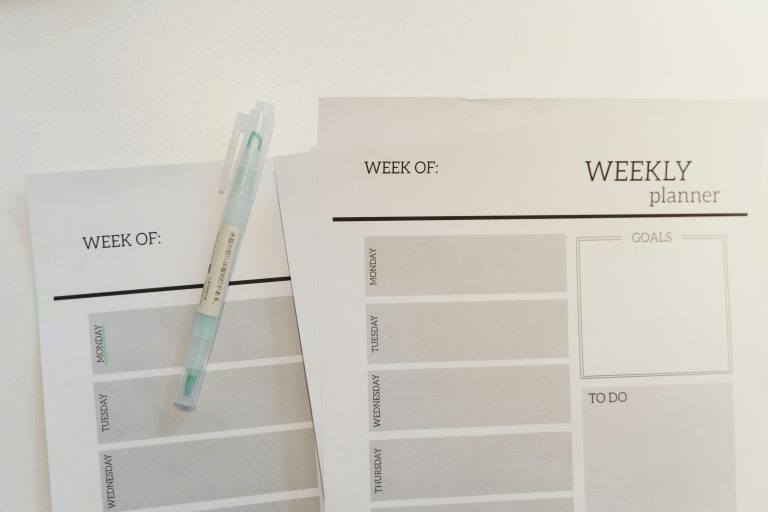
- weekly planning sheets
- flare-day protocols
- energy-based work systems
[Download the Chronic Illness Work Survival Kit]
Conclusion
Minimalist living with RA isn’t about having less—it’s about needing less from your body. By simplifying your home, routines and mindset, you create space for rest, healing and joy. Start small. Go gently. Choose progress over perfection. If minimalism can give you even a little more energy or a little less pain, that’s a win worth celebrating.