There’s a different kind of exhaustion that comes with chronic fatigue.
It’s not just being tired after a long day.
It’s waking up already drained.
It’s struggling to get through basic tasks.
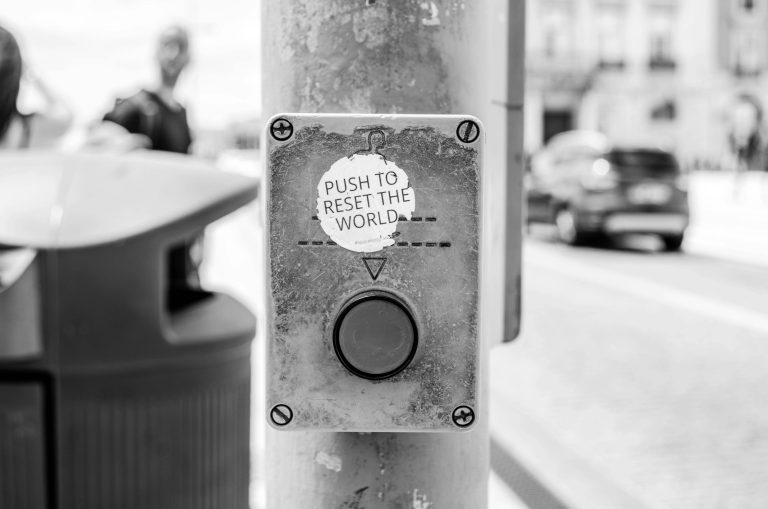
It’s feeling like your energy never fully resets.
It’s a tiredness that seeps into your brain and into every part of your body. The simplest of tasks seem so difficult, if not impossible.
If you’re dealing with chronic fatigue at work you might feel like you’re constantly behind – no matter how hard you try.
And if you’re thinking:
“I’m too tired to work but need money” this is perfectly normal.
This guide will show you how to stay functional, protect your energy and get through the workday without pushing yourself into burnout.
What Is Chronic Fatigue at Work?
Chronic fatigue at work is a persistent lack of physical and mental energy that makes it difficult to:
- stay focused
- complete tasks
- maintain productivity
- recover after work.
Chronic fatigue does not impact only work – it impacts all areas of life.
It is often linked to chronic illness, poor sleep, stress or burnout, and can significantly impact your ability to function in a work environment.
What Chronic Fatigue at Work Actually Feels Like
Chronic fatigue isn’t just tiredness – it’s low capacity.
It can feel like:
- constant physical exhaustion
- low stamina throughout the day
- difficulty concentrating or thinking clearly
- needing frequent breaks just to continue
- feeling completely drained after work.
Many people experience:
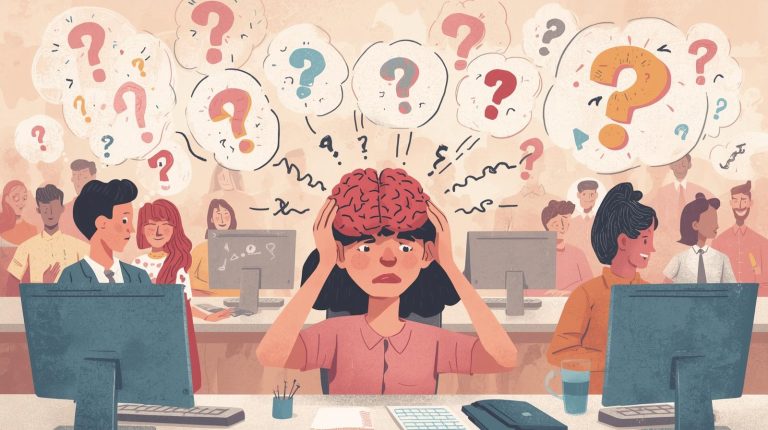
fatigue and brain fog at work together.
Which makes it even harder to:
- stay productive
- keep up with tasks
- meet expectations.
Why You Feel Exhausted After Work Every Day
If you’re exhausted after work every day it’s not just about your workload.
It’s about how much energy your body is using just to function.
Common reasons include:
- chronic illness draining baseline energy
- pushing beyond your limits during the day
- mental fatigue from constant focus
- stress and pressure at work.
By the time the workday ends your energy is completely depleted.


The Biggest Mistake People Make When Working with Chronic Fatigue
Most people try to:
- push through exhaustion
- ignore their limits
- maintain ‘normal’ productivity.
But this leads to:
- worsening fatigue
- burnout symptoms
- longer recovery times.
Chronic fatigue requires a different approach.
How to Work When You Feel Tired All the Time
If you’re wondering how to work when you feel tired the answer is not to push harder – it’s to manage your energy more effectively.
1. Manage Energy Not Time
Time management doesn’t work when you have limited energy.
Instead:
- identify your highest-energy periods
- schedule important tasks during those times.
This is the foundation of energy management.
2. Prioritize What Actually Matters
You don’t have the energy to do everything.
Focus on:
- essential tasks
- high-impact work.
Let go of:
- unnecessary tasks
- perfectionism.
3. Break Work into Smaller Blocks
Long work sessions drain energy quickly.
Instead:
- work in short bursts
- take regular breaks.
This helps prevent total exhaustion.
4. Build a Low-Energy Workflow
On days when your energy is low:
- simplify your tasks
- reduce complexity
- focus on basic output.
This keeps you moving without overwhelming your system.
5. Reduce Energy Drains
Identify what drains your energy the most:
- long meetings
- multitasking
- constant interruptions.
Then:
- minimize or restructure them
6. Use Recovery Breaks (Not Just Breaks)
Not all breaks restore energy.
Better recovery includes:
- stepping away from screens
- resting your body
- reducing stimulation.
7. Accept Fluctuating Capacity
Some days you’ll have more energy than others.
8. Proper Nutrition and Hydration
Eating proper food – whole foods if possible – helps your body regulate and not experience sugar spikes.
Drinking plenty of water and staying hydrated is also important.
Your goal is consistency over time – not perfection every day.
What to Do When You’re Too Tired to Work but Need Money
This is one of the hardest realities.
If you feel like: you’re too tired to work but still need income
Focus on:
- reducing your workload where possible
- identifying flexible work options
- building systems that require less energy.
The goal is sustainability – not survival mode forever.
Signs You’re Heading Toward Burnout
Chronic fatigue can lead to burnout if not managed.
Watch for:
- constant exhaustion
- lack of motivation
- worsening symptoms
- emotional overwhelm.
These are warning signs to adjust your approach.
How to Recover After Work When You’re Exhausted
If you’re exhausted after work every day recovery becomes critical.
Focus on:
- rest without stimulation
- simple routines
- avoiding overcommitment after work.
Protect your energy outside of work.
When Chronic Fatigue Starts Affecting Your Job
If fatigue becomes unmanageable you may need to:
- adjust your workload
- explore flexible arrangements
- consider long-term changes.
This is about protecting your health and your ability to function.
Free Tool: Chronic Illness Work Survival Kit
If setting boundaries at work feels difficult, having scripts and planning tools helps.
The Chronic Illness Work Survival Kit includes:
- communication templates
- weekly planning sheets
- flare-day protocols
- energy-based work systems
[Download the Chronic Illness Work Survival Kit]
Final Thoughts: You Can Work with Limited Energy
Working with chronic fatigue is hard.
But it’s not impossible.
You don’t need:
- perfect energy
- full productivity
- constant performance
You need:
- better systems
- realistic expectations
- sustainable habits
Even with low energy at work you can stay functional – if you work with your limits not against them.