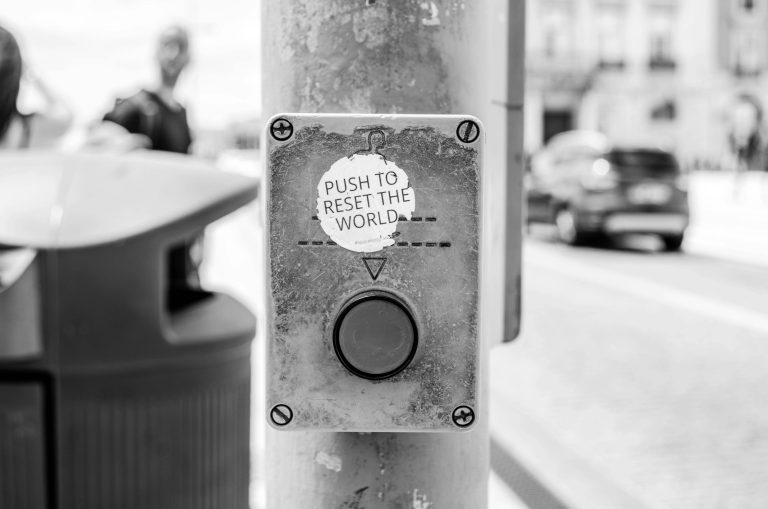
Some days are harder than others.
You wake up and already know: today is going to be a bad health day at work.
For me, the signs usually start the day before – the unusual exhaustion, the crawling into bed straight after work, the beginning of a migraine or blinding headache. I now know this is a prelude to total exhaustion.
But I know I have work the following day – and that I need to get through it.
Maybe it’s fatigue.
Maybe it’s brain fog.
Maybe your symptoms are flaring in a way that makes everything harder.
But you still have work.
And the pressure doesn’t go away just because your body isn’t cooperating.
If you’re dealing with bad health days at work this guide will help you:
- stay functional
- reduce pressure
- and get through the day without making things worse.
What Is a Bad Health Day?
A bad health day at work is a period where your symptoms significantly worsen reducing your ability to:
- focus
- work efficiently
- maintain normal productivity.
This can include:
- fatigue flares
- brain fog
- pain or discomfort
- physical exhaustion
- mental exhaustion.
For people with chronic illness these days are often unpredictable and require a different approach to work.
What Bad Health Days at Work Actually Feel Like
On a bad day your capacity drops.
You might experience:
- trouble concentrating at work
- increased brain fog
- physical exhaustion
- slower thinking and decision-making
- feeling overwhelmed by simple tasks.
Even basic responsibilities can feel heavy.
This is not laziness – it’s reduced capacity.
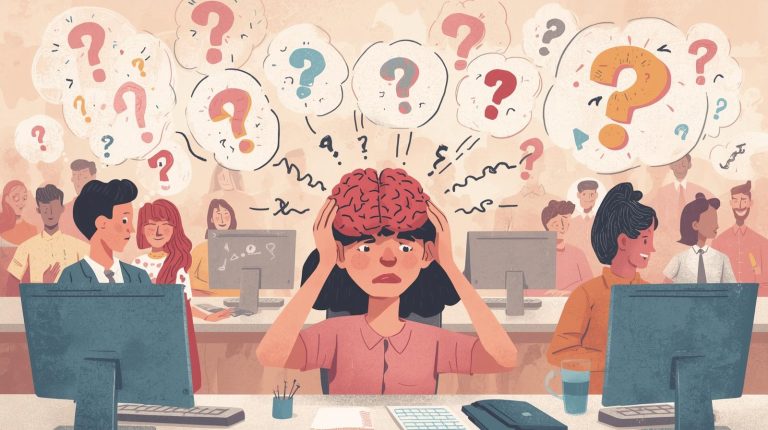

Why Pushing Through Makes Bad Days Worse
Your instinct might be to:
- push harder
- ignore symptoms
- try to ‘keep up’.
But this often leads to:
- increased fatigue
- longer recovery time
- burnout.
A bad health day isn’t something to overcome – it’s something to manage carefully.
How to Work When You Feel Sick (Step-by-Step)
If you’re wondering how to work when you feel sick the goal is not full productivity – it’s sustainable function.
1. Lower the Bar Immediately
The biggest mistake is keeping your normal expectations.
Instead:
- reduce your workload
- focus on essential tasks only.
Think: “What actually needs to get done today?”
2. Define a Minimum Viable Workday
On a low energy day at work choose:
- 1–3 priority tasks
Examples:
- respond to key emails
- complete one critical task.
This creates structure without overwhelm.
3. Switch to Low-Effort Tasks
When your symptoms flare avoid:
- complex thinking
- high-pressure work.
Instead focus on:
- admin tasks
- simple tasks
- routine work.
4. Break Everything Down Further
On bad days even small tasks feel big.
Break work into:
- very small steps
- single actions.
This helps you keep moving forward.
5. Use External Support Systems
On chronic illness bad days at work your brain is less reliable.
Use:
- written lists
- reminders
- simple workflows.
Don’t rely on memory or mental clarity.
6. Take Real Breaks (Before You Crash)
Don’t wait until you’re exhausted.
Take breaks:
- more frequently
- before symptoms worsen.
This helps prevent a full energy crash.
7. Reduce Input and Stimulation
When you feel unwell at work too much input makes things worse.
Try to:
- reduce noise
- limit multitasking
- simplify your environment.
8. Eat and Drink During the Day
When you feel unwell – and notice the symptoms stacking up – you really need to take care.
Try to:
- Hydrate regularly – drinking water throughout the day
- Eat often – nutritious and simple food that will keep your blood sugars stable throughout the day.
What to Do If You’re Too Sick to Work but Can’t Call In Sick
This is one of the hardest situations.
If you feel:
too sick to work but can’t call in sick.
Focus on:
- doing the bare minimum
- pacing yourself carefully
- communicating if needed (when possible).
Your goal is to get through the day – not perform at your best.
How to Handle Brain Fog and Fatigue Flares at Work
On a brain fog flare or fatigue flare expect:
- slower thinking
- reduced focus
- low mental clarity.
Adjust by:
- simplifying tasks
- avoiding decisions
- using checklists.
Work with your symptoms – not against them.
Managing Expectations on Bad Health Days
One of the biggest challenges is internal pressure.
You may feel:
- guilty
- behind
- frustrated.
But on working with chronic illness bad days expectations must change.
You are not operating at full capacity and that’s okay.
How to Recover After a Bad Day
Recovery matters just as much as getting through the day.
After work:
- rest without stimulation
- avoid overexertion
- give your body time to recover.
This helps prevent the next day from becoming worse.
When Bad Days Become Frequent
If bad health days happen often it may be time to:
- adjust your workload
- build stronger systems
- explore flexible work options.
Frequent flares are a signal – not something to ignore.
Free Tool: Chronic Illness Work Survival Kit
If setting boundaries at work feels difficult, having scripts and planning tools helps.
The Chronic Illness Work Survival Kit includes:
- communication templates
- weekly planning sheets
- flare-day protocols
- energy-based work systems
[Download the Chronic Illness Work Survival Kit]
Final Thoughts: Bad Days Don’t Mean You’re Failing
Bad health days can make you feel like you’re falling behind.
But the truth is:
You’re managing your responsibilities under difficult conditions.
You don’t need to:
- perform perfectly
- match others’ productivity
- push beyond your limits
You need:
- flexibility
- realistic expectations
- systems that support you
Even on bad health days at work you can stay functional – by working with your capacity not against it.