
One of the biggest challenges of working with chronic illness isn’t just fatigue or pain.
It’s how quickly one difficult day can throw off an entire week.
You start Monday with a plan.
Tuesday gets busy.
By Wednesday symptoms spike or energy drops.
Suddenly everything feels behind.
When your schedule is packed tightly there’s nowhere for disruption to go. It spills into the rest of the week and creates pressure to push harder just to keep up.
Buffer days change that.
They don’t eliminate bad days.
They stop one bad day from becoming a bad week.
What Is a Buffer Day?
A buffer day is a lower-pressure day built into your week on purpose.
It’s not empty.
It’s not wasted.
It’s simply less demanding.
Buffer days:
- absorb unexpected fatigue
- give space for recovery
- allow tasks to move without panic
- protect the rest of the week.
Without buffers every day has to go perfectly.
With buffers the week can flex.
Why Most Schedules Don’t Include Buffers
Many people plan weeks at full capacity:
- meetings every day
- tasks stacked back-to-back
- little room to adjust.
This works for a while – until symptoms fluctuate.
When every day is full even a small disruption creates a backlog. That backlog creates stress, which increases fatigue, which makes recovery harder.
Buffer days interrupt that cycle.
Step 1: Choose Where Your Buffer Goes
Most people benefit from a midweek buffer.
Midweek is often when fatigue builds and symptoms become more noticeable. A lighter Wednesday or Thursday can stabilise the week.
Your buffer day might:
- have fewer meetings
- focus on lighter tasks
- include extra rest
- allow flexibility.
You don’t need multiple buffer days. One well-placed buffer often helps.
Step 2: Reduce Expectations for That Day
A buffer day is not a ‘catch-up’ day.
If you treat it as a day to squeeze in extra work it stops being a buffer.
Instead:
- schedule fewer tasks
- avoid stacking demanding work
- keep it adaptable.
If the week goes smoothly you can use the buffer for lighter tasks.
If the week gets harder the buffer absorbs the impact.
Step 3: Spread Demanding Tasks Around It
Avoid placing heavy days back-to-back.
For example:
- heavier work on Tuesday
- buffer on Wednesday
- medium tasks Thursday.
This gives your body a chance to recover before fatigue accumulates too much.
Spacing effort prevents steep drops in energy.
Step 4: Use the Buffer for Recovery if Needed
If symptoms increase midweek the buffer day becomes recovery space:
- slower pace
- shorter work blocks
- essential tasks only.
You’re not falling behind.
You’re preventing a larger crash.
Step 5: Use the Buffer for Low-Energy Tasks When You Feel Better
If the week is stable buffer days can still be useful.
Good uses:
- admin
- planning
- organisation
- reviewing work
- small tasks.
These keep momentum without draining energy.
Step 6: Protect the Buffer From Overbooking
It’s easy for buffer days to disappear when schedules get busy.
To protect them:
- avoid scheduling unnecessary meetings
- leave gaps between tasks
- treat them as flexible time.
You don’t need to defend the buffer aggressively.
You just need to keep it lighter than other days.
If you’re newly diagnosed or years into managing your chronic illness this guide breaks down the systems that help you keep working long-term

What Buffer Days Achieve
Over time buffer days:
- reduce midweek crashes
- shorten recovery time
- make weeks feel more manageable
- allow plans to adjust without panic.
They don’t make symptoms disappear.
They make symptoms easier to accommodate.
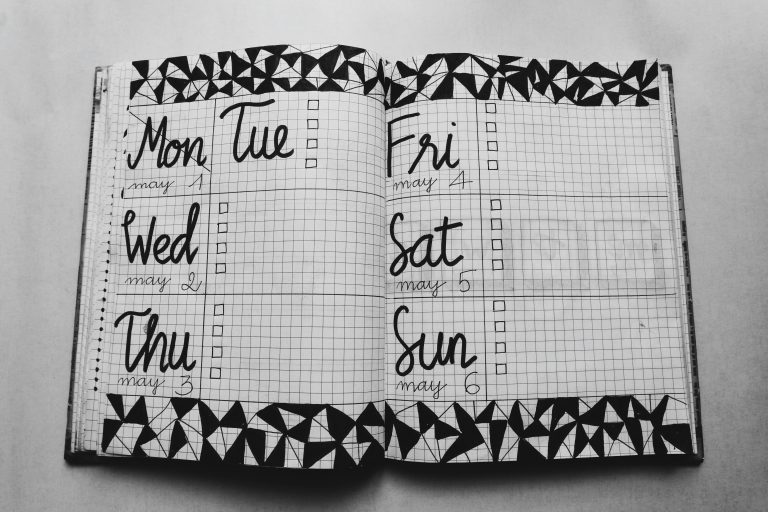
Example Weekly Structure
Monday: moderate
Tuesday: focused work
Wednesday: buffer
Thursday: medium
Friday: low pressure
This rhythm spreads energy more evenly and allows flexibility.


Free Tool: Chronic Illness Work Survival Kit
If your week often feels fragile, having built-in buffers helps create stability.
The Chronic Illness Work Survival Kit includes:
- weekly planning sheets
- flare-day protocols
- energy-based scheduling tools
- workplace scripts
[Download the Chronic Illness Work Survival Kit]
Final Thought
Buffer days aren’t a sign you’re doing less.
They’re a way of working in a way that lasts.
When your week has space to flex one difficult day doesn’t have to derail everything.
That kind of flexibility makes work more sustainable over time.