Before my Rheumatoid Arthritis (RA) diagnosis there were years where I kept asking myself the same question:
Why am I exhausted at work when nothing difficult has even happened?
I’d show up on time, coffee in hand, decent sleep the night before – and still I’d feel my energy had already been spent somewhere else.
That’s when chronic illness fatigue at work stopped being an abstract phrase and became something very real and unsettling. Because this kind of fatigue doesn’t build gradually. It drops.
One minute I’d be answering emails and feeling mostly fine. The next my brain would go foggy, my arms heavy and even small decisions felt impossible. Chronic illness fatigue doesn’t announce itself. It just arrives and takes what it wants.
If you’re trying to continue working with a chronic disease this experience probably feels familiar – and if it does it’s not a personal failure.
It’s a systems problem.
Chronic illness fatigue at work isn’t laziness – it’s biology
For a long time I blamed myself.
I assumed I was lazy, unmotivated at work or bad at managing my time. I thought if I were more disciplined I’d be able to ‘push through’ like everyone else.
However the truth is – laziness is about not wanting to work.
Chronic illness fatigue is about wanting to work and not having the energy cooperate.
I’ve sat at my desk staring at tasks I cared deeply about – not avoiding them, not bored – just empty. That frustration alone is proof this isn’t a motivation problem.
People dealing with chronic illness fatigue at work:
- try harder, not less
- experiment constantly with routines and strategies
- carry guilt most healthy workers never experience
- push themselves when their body and mind are not able.
This isn’t a character flaw. It’s a physical limitation that doesn’t respond to willpower.
Fatigue vs normal tiredness: why this distinction matters
One of the most damaging mistakes I made early on was treating fatigue like normal tiredness. They are not the same.
Normal tiredness usually makes sense:
- you work hard
- you sleep less
- you rest
- you recover
Chronic illness fatigue ignores logic:
- sleep doesn’t reliably restore you
- easy days can still wipe you out
- you can wake up already exhausted
A simple way to tell the difference:
- If rest consistently restores you – you’re likely tired
- If rest only keeps you barely functional – you’re dealing with fatigue
Fatigue doesn’t stay in the body either. It affects:
- focus and memory
- emotional regulation
- confidence
- decision-making
That’s why working with a chronic disease often feels harder than it ‘should,’ even when the job itself isn’t physically demanding.
Why work drains energy faster when you’re chronically ill
Work isn’t just tasks. It’s thinking, reacting, focusing, communicating, planning, masking symptoms, managing pain or brain fog and pretending you’re fine when you’re not.
That invisible effort drains energy and when you’re chronically ill your body is already doing extra work just to function.
Another problem is forced pacing.
At home you can rest when symptoms flare.
At work you’re expected to keep going – meetings don’t pause, deadlines don’t wait and your body doesn’t get a vote.
So energy disappears faster. Recovery takes longer. The cost shows up later – often the next day.
This is why many people with chronic illness feel like work takes everything they have even when the workload looks reasonable on paper.

The mistake that makes everything worse: pushing through every time
Early on I treated fatigue like a challenge to overcome. My mindset was ‘Just get through this meeting then you can rest.’
Except one meeting became three. Rest never happened. By the end of the day I wasn’t tired – I was wrecked. And the next day was worse.
This is the classic boom-and-bust cycle:
- feel okay
- do more
- crash hard
- lose tomorrow’s energy
Pushing through doesn’t build resilience when you’re chronically ill.
It just borrows energy from the future – with interest.
A practical system for continuing to work with chronic illness
What helped wasn’t motivation, positivity or productivity hacks designed for healthy bodies.
What helped was building a simple, repeatable system around unreliable energy.
The Energy-First Work System
(Built from real-life experience working with chronic illness)
1. Predict crashes instead of reacting to them
Track when your energy drops – time of day, after meetings, after meals. Patterns matter more than perfection.
2. Front-load thinking tasks
Do decision-heavy or focus-heavy work earlier when your nervous system has more capacity. Save low-demand tasks for later.
3. Pace before collapse
Breaks work best before you feel awful. Waiting until you crash is already too late.
Ensure you are eating enough, make the food healthy and nutritious.
Ensure you are drinking enough water to stay well hydrated.
4. Reduce cognitive load
Fewer tabs, fewer notifications, fewer decisions. Mental clutter drains energy fast when fatigue is already present.
5. Plan by recovery cost not effort
Ask: What will this cost me tomorrow?
Sustainable work matters more than one ‘good’ day.
This system doesn’t eliminate fatigue – nothing does – but it keeps work from completely consuming your life.
If you’re trying to keep working long-term, this guide on working full-time with a chronic illness breaks down the systems that help.

This applies to all chronic illnesses – not just one diagnosis
I live with Rheumatoid Arthritis but this experience isn’t RA-specific.
Across chronic illness – autoimmune conditions, chronic pain, migraines, neurological disorders, digestive conditions – the pattern is the same:
Your body is already working overtime before work even begins. Different diagnoses. Same energy depletion.
That’s why so many people with chronic disease feel like they’re failing at work when the real issue is that they’re trying to operate without systems designed for limited energy.
If you’re questioning yourself read this carefully
If you’re thinking:
‘Why am I exhausted at work even when I’m doing everything right?’
You are not broken.
You are not weak.
You are not lazy.
You are working with a body that doesn’t follow standard productivity rules.
The turning point isn’t fixing yourself.
It’s stopping the fight and building work systems that respect reality.
Want help applying this to your own workday?
I’ve turned these ideas into a practical, no-nonsense resource designed specifically for people who want to keep working with a chronic illness – without burning themselves into the ground.
Free download: The Chronic Illness Work Survival Kit Includes:
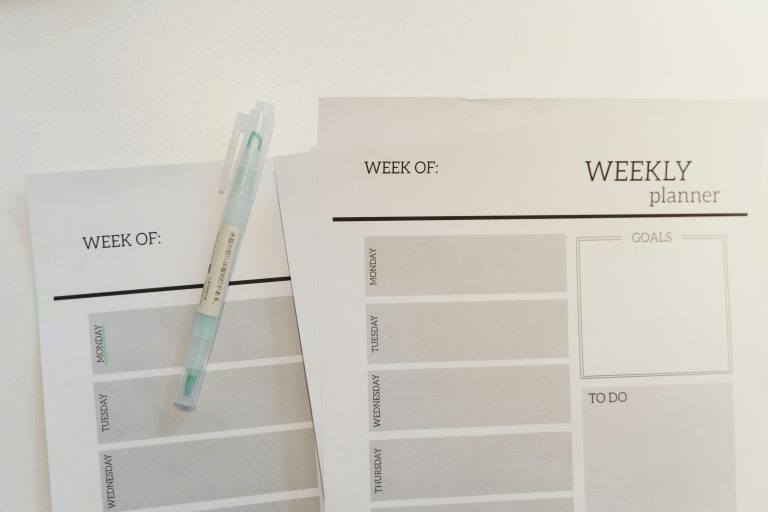
- A daily energy-based planning sheet
- A flare-day work protocol
- Scripts for communicating at work without oversharing
- A checklist of tools that reduce daily strain
If you’re going to keep working, you shouldn’t have to destroy yourself to do it.
Because continuing to work with a chronic disease shouldn’t require constant self-blame – it requires better systems.