When you live with chronic illness evenings aren’t just the end of the day. They’re the bridge into tomorrow.
A lot of advice focuses on morning routines and productivity. But for people managing fatigue, pain or unpredictable symptoms what happens in the evening often matters more.
If you finish the day completely depleted the next morning starts at a deficit.
If you recover even slightly tomorrow becomes more manageable.
An evening routine for chronic illness isn’t about doing more.
It’s about reducing the cost of the day you’ve already had.
First: Accept That Evenings Are a Transition Not a Collapse
After a long day it’s tempting to:
- scroll endlessly
- stay mentally ‘on’
- push through chores
- ignore how tired you feel.
But if the day has already taken a lot from your body continuing at full speed delays recovery. Instead think of the evening as a transition into restoration.
You don’t need a long routine. You need a gentle shift.
Step 1: Create a Clear End to the Workday
When work blends into the evening recovery gets pushed later and later.
If possible create a simple end-of-day marker:
- shut down your laptop
- write tomorrow’s top priorities
- close work apps
- change environment or clothing.
This signals to your brain and body that it’s time to step out of ‘work mode.’
Even a small boundary helps.
Step 2: Eat Something That Supports Recovery
When energy is low it’s easy to skip meals or grab whatever is fastest. But consistent nourishment helps stabilise energy and supports recovery overnight.
You don’t need a perfect dinner. You need something reliable.
Simple evening meals:
- protein + carbohydrates
- soup or stew
- leftovers
- easy-to-digest foods.
Repeat meals are fine. Predictability reduces effort.
Step 3: Reduce Stimulation Gradually
After a long day your nervous system may still be on high alert.
Instead of switching directly from work to sleep build a small buffer:
- dim lights
- reduce screen brightness
- lower noise
- step away from demanding conversations.
This helps your body shift toward rest more smoothly.
You don’t need a full digital detox. Just a softer landing.
Step 4: Gentle Physical Reset
If your body is stiff, tense or sore a small reset can help:
- light stretching
- heat pack
- warm shower
- brief mobility work.
This doesn’t need to be structured or long. The goal is comfort not exercise.
Some evenings you’ll skip this entirely. That’s fine.
Step 5: Prepare Tomorrow’s Basics
Doing a few small things in the evening can make mornings easier:
- lay out clothes
- set out medications
- note key tasks
- prepare breakfast items.
This reduces decision fatigue the next day.
Keep it minimal. You’re not trying to be efficient – just supportive.
Step 6: Lower Expectations for the Evening
Not every evening needs to be productive.
If your day required effort recovery is the task.
That might look like:
- quiet time
- low-stimulation activity
- rest
- early sleep.
Evenings don’t need to be full to be useful.
Step 7: Protect Sleep Where Possible
Sleep won’t always be perfect with chronic illness. But protecting your wind-down helps improve the odds.
Try:
- consistent bedtime window
- reduced light
- calming activity
- avoiding heavy tasks late.
You’re not aiming for perfect sleep hygiene.
You’re creating conditions that support rest.
This guide on working full-time with a chronic illness breaks down the systems that help if you’re trying to keep working long-term.

A Low-Capacity Evening Version
On more difficult days your routine might be:
- eat something simple
- take medication
- reduce stimulation
- rest earlier.
That’s enough.
A routine only works if it’s doable on your lowest-energy days.
Why Evenings Matter So Much
When evenings support recovery:
- mornings are easier
- energy stabilises
- midweek crashes reduce
- work feels more manageable.
You’re not trying to maximise the evening. You’re trying to reduce the cost of the day.

Free Tool: Chronic Illness Work Survival Kit
If your evenings often determine how tomorrow feels, having a simple structure helps.
The Chronic Illness Work Survival Kit includes:
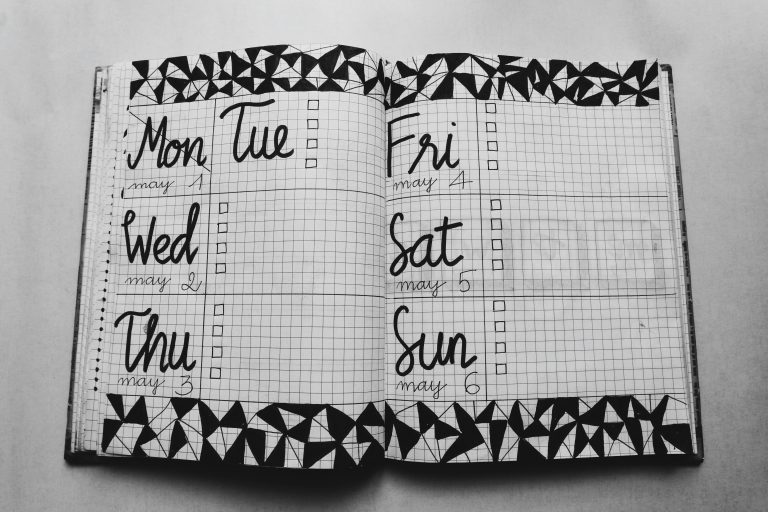
- daily planning sheets
- flare-day protocols
- recovery planning tools
- workplace scripts
[Download the Chronic Illness Work Survival Kit]
Final Thought
An effective evening routine with chronic illness isn’t impressive.
It’s gentle.
Repeatable.
Supportive.
When you end the day with a little recovery instead of complete depletion, tomorrow has a better chance of working.
That’s enough.