
Discover practical strategies for thriving with rheumatoid arthritis. Learn evidence-based tips for managing pain, staying active and living your best life with RA in 2026 and beyond. Ensure you thrive with RA.
Introduction
Living with rheumatoid arthritis doesn’t mean putting your life on hold. Did you know that nearly 18 million people worldwide are living with RA, yet many go on to lead incredibly fulfilling, active lives? According to WHO over 70% of those with RA are women and 55% are over the age of 55. The diagnosis might feel overwhelming at first but with the right knowledge, tools and mindset, you can not just manage Rheumatoid Arthritis—you can truly thrive with RA.
This is not to undermine or belittle the effects and symptoms of the disease. It’s about arming yourself with practical, evidence-based strategies that actually work in real life. Whether you were diagnosed yesterday or years ago, this complete guide will walk you through everything from cutting-edge treatment options to daily lifestyle hacks that make a genuine difference. We’ll cover pain management, nutrition, exercise, emotional wellness and so much more. Ready to take control? Let’s dive in!
Understanding Rheumatoid Arthritis (RA): What’s Really Happening in Your Body
The science behind RA: autoimmune disease explained in plain English
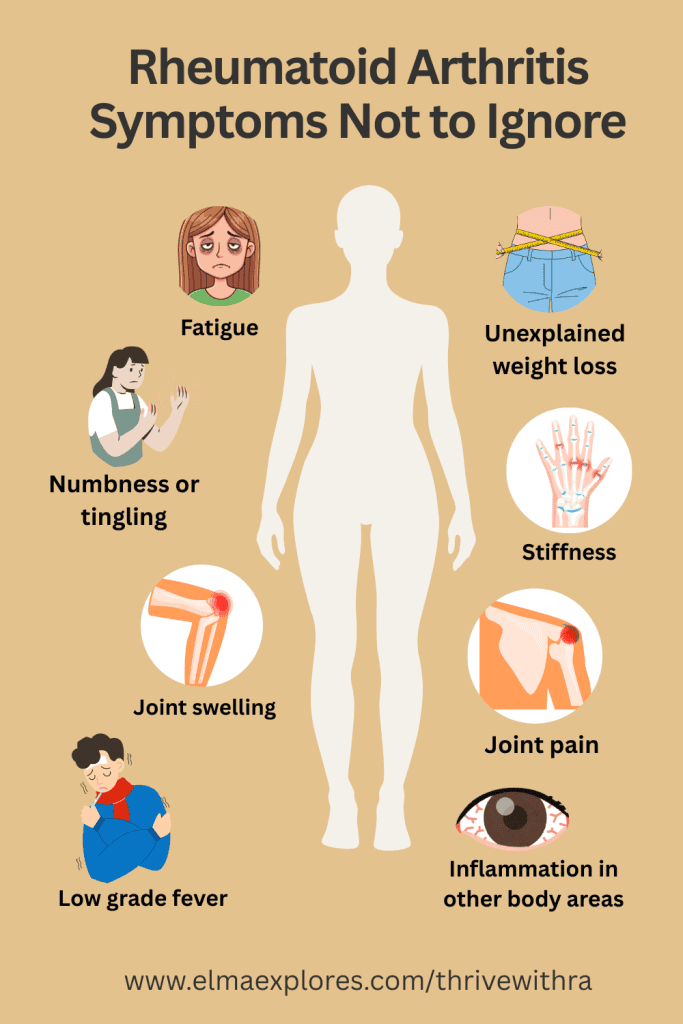
What exactly is rheumatoid arthritis (RA)? The Mayo Clinic defines Rheumatoid Arthritis (RA) as an ongoing, called chronic, condition that causes pain, swelling and irritation, called inflammation, in the joints. But it also can damage other parts of the body. These may include the skin, eyes, lungs, heart and blood vessels. Rheumatoid arthritis happens when the immune system attacks its own body’s tissues by mistake. This is called an autoimmune condition.
How RA differs from osteoarthritis and other joint conditions
The main difference is that osteoarthritis (OA) is a degenerative joint disease caused by the “wear and tear” of cartilage, while rheumatoid arthritis (RA) is an autoimmune disease where the immune system attacks the joints, causing inflammation.
Common Symptoms Beyond Joint Pain (Fatigue, Morning Stiffness, Systemic Effects)
While joint pain is the symptom most people associate with RA the condition often affects the entire body in ways that can be just as challenging. Fatigue can be overwhelming, sometimes hitting without warning and making even simple tasks feel heavy. Morning stiffness can slow the start of the day and require extra time to get moving comfortably. RA can also have systemic effects—impacting energy levels, sleep, mood or overall well-being. Understanding the full picture of symptoms helps you recognize what’s happening in your body and respond with more compassion, pacing and support.
The Progression of RA: What to Expect and How Early Treatment Changes Everything
RA can progress differently for everyone but one thing research consistently shows is that early attention and proactive care make a significant difference. In the early stages inflammation may come and go, often affecting smaller joints first. Without timely treatment it can become more persistent and potentially lead to joint damage over time. The encouraging news is that early medical intervention can dramatically slow or modify the course of RA, helping preserve mobility, reduce symptoms and support long-term quality of life. Understanding the progression helps you stay informed and empowered—not fearful—about the road ahead.
Understanding Flares Versus Remission Periods
RA naturally cycles between flares—periods when symptoms intensify—and remission—times when inflammation is low and daily life feels lighter and more manageable. Flares can be triggered by stress, overexertion, illness or sometimes seemingly nothing at all. Remission doesn’t always mean symptoms disappear completely but it often brings more stability and ease. Learning to recognize your personal patterns can help you prepare for tougher days and make the most of calmer ones. Understanding this rhythm can create more realistic expectations and reduce frustration, helping you approach your condition with patience and flexibility. That is why tracking the symptoms is very important – even in periods of stability.
Why Women Are Three Times More Likely to Develop RA Than Men
One of the most striking facts about RA is that women are significantly more likely to develop it than men, and researchers believe hormones and immune system differences may play a major role. Shifts such as pregnancy, postpartum changes and menopause can influence immune activity which may help explain why symptoms sometimes change during these phases of life. Genetics and environmental factors may contribute as well. While the exact reasons are still being studied understanding this gender difference helps highlight the importance of research focused on women’s health and the unique ways RA can show up in women’s lives.
Finding the Right Rheumatologist and What to Ask at Your First Appointment
Choosing the right rheumatologist can be one of the most empowering steps in managing RA. You deserve someone who listens, understands your goals and communicates clearly about your options. At your first appointment consider asking about their treatment philosophy, how they monitor disease activity, what medications they typically use and how accessible they are for questions between visits. A strong partnership with your rheumatologist lays the foundation for confident decision-making and long-term stability in your RA journey. Having the right team and support is essential to thrive with RA.
Keep a Record of Your Symptoms
Tracking your symptoms—whether in a notebook, an app or a simple calendar—can make a huge difference in understanding how RA shows up in your daily life. Patterns in pain, stiffness, fatigue, swelling or flares can help your healthcare team adjust treatment to better meet your needs. Even small details like sleep quality, stress levels, or activity changes can offer valuable insights. Keeping a clear record gives you a voice in your care and helps ensure nothing important slips through the cracks during appointments. When you have a medical appointment it can be easy to forget to ask important questions. Keeping track and noting down the questions you need answered will remove that uncertainty.
Managing Treatment Side Effects Without Compromising Effectiveness
Many RA treatments are powerful tools but they can come with side effects that feel discouraging or confusing. The key is to work closely with your care team to find solutions that ease discomfort while keeping your treatment effective. Sometimes small adjustments—timing doses, monitoring reactions or supporting your body with healthy habits—can make a meaningful difference. You don’t have to “power through” side effects alone; addressing them early helps you stay consistent, confident and comfortable with your treatment plan.
The Importance of Regular Monitoring and Blood Work
Regular monitoring and blood work are essential parts of RA care because they help track inflammation levels, medication safety and overall health. Even when you feel stable these check-ins provide a behind-the-scenes look at how your body is responding. They allow your healthcare team to catch changes early, adjust treatment if needed and keep you on the path toward long-term well-being. Think of monitoring as a protective tool—not a chore—that supports your ability to thrive with RA.
Integrating Physical Therapy, Occupational Therapy, and Other Specialists
Thriving with RA often means embracing a team approach that goes beyond medication alone. Physical therapists can help you build strength and protect your joints; occupational therapists can teach strategies that make daily tasks easier; and other specialists—from nutritionists to mental health professionals—can support your well-being from every angle. When these experts work together you get a more complete picture of what helps your body feel its best. Integrating diverse parts of your care team can turn overwhelming challenges into manageable steps, helping you stay active, independent and empowered.
Pain Management Strategies That Actually Help
Medication Timing: Optimizing Your Pain Relief Throughout the Day
Understanding how your body responds to pain throughout the day can help you and your healthcare provider find a medication schedule that supports your lifestyle. Some people notice more stiffness in the mornings while others feel pain building later in the day. Paying attention to your personal patterns can help guide conversations about timing doses in a way that keeps you as comfortable and functional as possible. Thoughtful timing can make a big difference in maintaining energy, mobility and confidence as you move through daily activities.
Hot Versus Cold Therapy: When to Use Each for Maximum Benefit
Heat and cold can both offer relief but they help in different ways. Warmth can soothe stiff joints and relax tight muscles making it helpful before movement or gentle stretching. Cold, on the other hand, can calm areas that feel hot, swollen or inflamed. Paying attention to what your body responds to in different moments can help you choose the right approach. Many people find that using both—at different times—creates a simple but powerful support routine.
Topical Treatments and Their Effectiveness for RA Pain
Topical creams, gels and balms can be a helpful addition to your pain-management toolbox. They’re easy to apply, act locally and can offer short-term relief in areas that feel sore or tense. While results can vary from person to person, some people appreciate how topicals support comfort without affecting the whole body. Exploring different textures and formulas can help you discover what brings you the most relief for day-to-day aches.
TENS Units and Electrical Stimulation Therapy
TENS units—small devices that deliver gentle electrical pulses through the skin—are often used to help interrupt pain signals and promote relaxation. Many people appreciate that TENS therapy can be used at home, is non-invasive and allows for hands-on participation in managing discomfort. While individual experiences differ, some find it a valuable tool for easing muscle tension or supporting other pain-management strategies, especially during flare-heavy days.
Mindfulness and Meditation for Chronic Pain Management
Mindfulness and meditation can be powerful companions on your RA journey, helping you build calm, resilience and emotional steadiness in the face of ongoing pain. These practices don’t erase symptoms but they can shift how your mind and body respond to discomfort. Techniques like guided breathing, body scans and grounding exercises can help reduce stress, improve focus and create a sense of control. With regular practice many people find they cope more smoothly with tough days and feel more present and supported in their daily lives.
The Role of Sleep in Pain Perception and Management
Sleep has a major influence on how our bodies experience pain and RA can make restful nights challenging. When sleep is disrupted, pain can feel sharper, fatigue can increase and coping becomes harder. Building a consistent sleep routine—one that supports relaxation and signals your body to wind down—can make a meaningful difference. Prioritizing rest isn’t a luxury; it’s an essential part of thriving with RA and giving your body the recovery time it needs.
Splints, Braces and Assistive Devices That Provide Real Relief
Splints, braces and assistive devices can help reduce strain on painful joints and make daily tasks easier and more comfortable. They offer support exactly where it’s needed, whether you’re stabilizing a wrist during typing or easing pressure on fingers while cooking. These tools aren’t signs of weakness—they’re smart strategies for protecting your joints and conserving energy. Using supportive devices can help you stay active while minimizing discomfort and preventing unnecessary stress on sensitive areas.
Alternative Therapies: Acupuncture, Massage and What the Research Says
Many people with RA explore alternative therapies such as acupuncture or massage to complement their overall wellness plan. Some find these approaches help reduce tension, promote relaxation or make pain feel more manageable. Research is ongoing, and results vary, but these therapies are often valued for their ability to support emotional and physical comfort. Approaching them with curiosity—and discussing them with your healthcare team—can help you decide whether they fit into your personal strategy to thrive with RA.
Exercise and Movement: Your Secret Weapon Against RA
Why exercise is crucial for RA management (even when it hurts)
I know the last thing you want to do during an RA flare is move but my rheumatologist helped me understand – staying sedentary actually makes joint stiffness and pain worse over time. Regular exercise helps maintain joint flexibility, strengthens the muscles that support joints and can reduce inflammation throughout your body. Research shows that people with RA who exercise regularly experience 25-30% less pain and significantly improved physical function compared to those who don’t. The key is understanding that movement lubricates your joints by promoting synovial fluid circulation, which is exactly what stiff, painful joints need. I had to shift my mindset from “exercise will damage my joints” to “the right kind of exercise actually protects them.” It’s not about pushing through severe pain, but rather finding that sweet spot where gentle movement helps more than it hurts.
Low-impact exercises perfect for people with rheumatoid arthritis
Low-impact exercises became my lifeline once I realised high-impact stuff like running was making my knee pain unbearable. Walking is one of the best places to start – I began with just 10 minutes around my neighborhood and gradually worked up to 30 minutes most days. Cycling, whether on a stationary bike or outdoors, gives cardiovascular benefits without pounding your joints into submission. Elliptical machines are another solid option because they mimic walking but eliminate the impact that comes with your foot hitting the ground. Tai chi has gained a lot of attention in the RA community too and for good reason – it combines gentle movement with balance training, which helps prevent falls as the disease progresses. The beauty of low-impact exercise is that you’re still getting your heart rate up and building endurance without aggravating inflamed joints. Start slow and listen to your body because what works during a good week might be too much during a flare.
Swimming and water aerobics: the ultimate RA-friendly workout
Swimming changed everything for me. The buoyancy of water supports about 90% of your body weight which means you can move joints through their full range of motion without the gravitational stress that comes with land-based exercise. I started going to water aerobics classes at my local public pool and within a few weeks I noticed my morning stiffness was lasting about half as long as it used to. The warm water in heated pools (ideally between 83-88 degrees Fahrenheit) also helps relax muscles and reduce joint pain before you even start moving. Water provides natural resistance too so you’re building strength without needing weights or equipment that might be hard to grip with painful hands. Even if you’re not a strong swimmer you can do water walking or simple exercises while holding onto the pool edge. The social aspect of water aerobics classes was an unexpected bonus – being around other people dealing with chronic pain made me feel less alone in this whole RA journey.
Strength training to protect your joints and maintain muscle mass
Strength training is one of the most protective things you can do for joints affected by RA. Strong muscles act like shock absorbers for your joints taking pressure off the cartilage and bones that are already under attack from inflammation. I work with light weights, usually 2-5 pounds (1-2.5 kg), and focus on controlled movements rather than lifting heavy.
Resistance bands are another great option because they’re easier on the joints than free weights and the resistance can be adjusted by changing your grip. Research shows that people with RA who do strength training twice a week can increase muscle mass by 15-20% within six months which translates to better joint stability and less pain during daily activities.
The key is starting light – like embarrassingly light – and gradually increasing as your muscles adapt. I do exercises like bicep curls, shoulder presses and leg lifts, usually 10-12 repetitions for two sets. On high-pain days I skip it entirely rather than pushing through because there’s a difference between discomfort and actual harm. I want to thrive with RA and I understand that my body needs will change, sometimes daily. I listen to my body to make sure I’m not causing it more harm than good.
Yoga and stretching routines specifically designed for RA
Yoga was intimidating at first because I couldn’t do a lot of poses but then I discovered chair yoga and gentle yoga classes specifically for people with arthritis. These modified practices focus on maintaining flexibility and range of motion rather than contorting yourself into pretzel shapes. I do about 15 minutes of stretching every morning, targeting my hands, wrists, shoulders, and hips – basically all the places where RA hits the hardest.
There are specific RA yoga programs like “Yoga for Arthritis” that avoid poses requiring excessive weight-bearing on inflamed joints. Props like blocks, straps and bolsters make poses accessible even when your grip strength is terrible or your knees won’t bend properly. The breathing techniques that come with yoga practice also help manage the stress and anxiety that often accompany chronic illness. I’ve noticed that consistent stretching has improved my range of motion enough that I can actually reach the top shelf in my kitchen again which might sound small but felt like a huge victory.
How to exercise during a flare without making things worse
Exercising during a flare is tricky and it can be easy to overdo it. The general rule I follow now is if a joint is actively swollen, hot and red, I rest that specific joint but still move other parts of my body gently. So if my hands are flaring I might do some easy leg exercises or go for a slow walk instead of completely stopping all activity. Isometric exercises – where you tense muscles without moving the joint – can maintain strength without aggravating inflammation.
I learned to cut my usual exercise intensity by about 50-75% during flares and reduce the duration too. If my normal walk is 30 minutes I’ll do 10-15 minutes during a flare and call that a win. Pain that lasts more than two hours after exercise is a sign you’ve done too much which was a helpful guideline my physical therapist gave me. Some days gentle range-of-motion exercises in bed before getting up is all I can manage and I’ve learned that’s okay – something is always better than nothing when it comes to keeping joints mobile.
Creating a sustainable exercise routine that fits your energy levels
The biggest mistake I made early on was trying to stick to a rigid exercise schedule that didn’t account for the unpredictability of RA. Some mornings I wake up with decent energy, other days I’m wiped out before breakfast even happens. I switched to planning three different versions of my exercise routine – a full version for good days, a moderate version for okay days and a minimal version for rough days.
On good days I might do 30 minutes of walking plus some strength training. On moderate days it’s maybe 15 minutes of gentle movement and stretching. On bad days, it’s just range-of-motion exercises in bed or while sitting. This approach removed the guilt I felt when I couldn’t complete my “planned” workout because I always had a backup plan that still kept me moving. I also started tracking my energy patterns and noticed I generally have more energy in late morning so that’s when I schedule exercise instead of forcing myself to be a morning workout person. Building rest days into your routine isn’t lazy – it’s actually when your body repairs and gets stronger especially important when you’re managing a chronic inflammatory disease and allows you to thrive with RA.
Working with a physical therapist to develop your personalized plan
Getting a referral to a physical therapist who specializes in rheumatic diseases was one of the best things my rheumatologist ever did for me. A good PT understands which movements are safe for inflamed joints and can teach you proper form to avoid injury. Mine assessed my specific joint limitations, muscle weaknesses and pain patterns, then created a program that actually made sense for my body rather than generic advice I found online. They taught me joint protection techniques – like using larger, stronger joints to do tasks instead of small finger joints – that I use every single day.
Physical therapists can also provide hands-on treatments like joint mobilization and therapeutic ultrasound during flares to reduce pain and stiffness. I see mine every 4-6 weeks now for check-ins and program adjustments as my RA changes, which it does constantly. If you’re newly diagnosed or struggling to figure out what exercise is safe, a PT takes the guesswork out and gives you confidence that you’re helping, not hurting, your joints. Most insurance plans cover PT visits with a referral, so it’s worth asking your rheumatologist about it.
The Anti-Inflammatory Diet: Eating to Reduce Symptoms
Embracing an anti-inflammatory diet can feel empowering when you’re living with rheumatoid arthritis, because it gives you daily choices that can help calm your symptoms rather than fuel them. While no single diet can cure RA, many people find that shifting toward nutrient-rich, whole foods can noticeably reduce flare-ups and support long-term joint health. Think of it as creating an environment in your body where inflammation has fewer chances to thrive.
Understanding the Connection Between Food and Inflammation
Certain foods can influence inflammation by interacting with your immune system, gut health and metabolic pathways. For people with RA—where inflammation is already working overtime—these effects can be especially noticeable. Eating in ways that support stable blood sugar, healthy digestion and balanced immune activity can help your body dial down its inflammatory response and make your symptoms more manageable day-to-day.
Mediterranean Diet: Why It’s Consistently Recommended for RA
The Mediterranean diet has earned its reliable place in RA research and recommendations because it’s naturally rich in anti-inflammatory foods and low in triggers. With its emphasis on fruits, vegetables, whole grains, legumes, olive oil and lean proteins like fish, this pattern of eating supports joint health while also protecting the heart—another important focus for people with RA. Many find it approachable, flexible and enjoyable which makes sticking with it much easier.
Anti-Inflammatory Superfoods to Add to Your Plate
Certain foods pack an extra punch when it comes to fighting inflammation. In order to thrive with RA, berries, with their high antioxidant content, leafy greens, turmeric, ginger, walnuts and oily fish like salmon all bring compounds that help soothe inflammation at the cellular level. Adding even a few of these “superfoods” to your weekly routine can help support your joints and energy levels in a noticeable way.
Foods That May Trigger Inflammation and Worsen Symptoms
Just as some foods can calm inflammation, others can stir it up. Many people with RA find that processed foods, added sugars, refined carbs and excessive alcohol can worsen swelling or stiffness. Red meat and high-fat dairy may also be problematic for some. Keeping a simple food journal can help you spot personal patterns—your triggers may not be the same as someone else’s and understanding them can make a big difference.
Omega-3 Fatty Acids and Their Powerful Anti-Inflammatory Effects
Omega-3s are one of the most well-researched nutrients for reducing inflammation and they can be incredibly helpful for people with RA. Found in fatty fish like salmon, sardines and mackerel—as well as in flaxseed and chia seeds—these healthy fats help regulate inflammatory pathways and may even reduce morning stiffness and tender joints over time. Including them regularly is a small change that can offer big benefits.
The Truth About Supplements: What Helps and What’s Just Hype
With so many supplements marketed for joint health it’s easy to feel overwhelmed or unsure about what’s truly effective. While fish oil, turmeric (curcumin) and vitamin D have some evidence supporting their use in RA, others fall into the “nice idea, not enough proof” category. It’s always wise to talk with your healthcare provider before adding new supplements especially since some can interact with medications or offer less benefit than promised.
Meal Planning and Prep Strategies When You’re Dealing With Joint Pain
Cooking regularly can feel challenging when your hands, wrists or shoulders are inflamed but small adjustments can make the process much more comfortable. Pre-chopped vegetables, simple one-pan meals, slow cookers and adaptive kitchen tools can reduce strain and make healthy eating more accessible. Planning a few easy go-to meals each week can help you stay nourished even on tough days. Batch meal preparation is also handy. Make and freeze healthy meals so they are ready in the freezer when you need them.
Staying Hydrated and Why It Matters More Than You Think
Hydration might not be the first thing that comes to mind for RA but it plays a surprisingly important role. Water helps keep your joints lubricated, supports circulation and aids in clearing inflammatory byproducts from the body. Even mild dehydration can leave you feeling more fatigued and achy so sipping consistently throughout the day can offer a simple yet meaningful boost to your overall comfort.
Mental Health and Emotional Wellness with RA
Acknowledging the Emotional Impact of Chronic Illness
Living with rheumatoid arthritis means navigating not just physical symptoms but a profound emotional landscape as well. It’s completely normal to experience frustration, fear or sadness when your body doesn’t behave the way it used to. Simply acknowledging that these feelings are part of the journey—not a personal failing—can be a powerful first step toward emotional healing and greater self-understanding.
Depression and Anxiety: Common Companions of RA and How to Address Them
Many people with RA find themselves dealing with depression or anxiety often triggered by chronic pain, fatigue or unpredictable flares. These conditions are not “in your head”—they’re real, understandable responses to ongoing stress. Talking to your doctor, exploring therapy and building coping skills can help you break out of the cycle and improve your quality of life both physically and emotionally.
Finding Support Groups and Connecting With Others Who Understand
There’s something uniquely comforting about talking to people who truly “get it.” Support groups—whether in-person, online or through social communities—offer a safe space to share experiences, frustrations and small victories. In order to thrive with RA these connections remind you that you’re not alone and they often provide practical advice and emotional encouragement you won’t find anywhere else.
Cognitive Behavioral Therapy Techniques for Chronic Pain
Cognitive behavioral therapy (CBT) can be a valuable tool for managing chronic pain by helping you reframe unhelpful thoughts and develop healthier coping patterns. Simple techniques like pacing activities, practicing relaxation exercises and identifying thought distortions can reduce stress and make pain feel more manageable. With regular practice CBT can help you regain a sense of control even on high-pain days.
Setting Boundaries and Managing Relationships When You’re Chronically Ill
RA can change how you interact with friends, family and coworkers and setting boundaries becomes essential for preserving your energy and emotional well-being. It’s okay to say no, cancel plans or ask for help when you need it—these choices aren’t selfish; they’re necessary. Honest communication can strengthen your relationships and help others understand how to support you better.
Dealing With Guilt, Frustration and the Grief of Lifestyle Changes
Adjusting to life with RA often involves grieving the routines, hobbies or independence you once had. It’s common to feel guilty for resting more, frustrated by limitations or sad about the changes in your life. Allowing yourself to feel these emotions without judgment can be healing. Over time many people find new ways to adapt and rediscover joy, even if the path looks different than before.
Practicing Self-Compassion and Redefining Productivity
Living with RA means learning to value your effort as much as your outcomes. Self-compassion helps you treat yourself with the same kindness you’d offer a friend especially on days when your symptoms are tough. Redefining productivity—celebrating small wins, listening to your body and pacing your tasks—can help you feel more accomplished and less overwhelmed.
When to Seek Professional Mental Health Support
Reaching out for professional support is a sign of strength not weakness. If you find that emotional struggles are affecting your sleep, relationships, motivation or ability to manage daily life it may be time to connect with a therapist, counselor or psychiatrist. A trained professional can help you navigate the mental health challenges of chronic illness and build a personalized plan for emotional resilience.
Daily Life Hacks: Making Everything Easier
You may have rheumatoid arthritis – but RA does not need to have you. Understanding your illness and the impacts it has on your life will allow you to manage and thrive with RA.
I enjoy the gym and strength training – one thing I’ve learned from my time in the gym is that every exercise can be modified. If you want to target a certain part of the body there are multiple ways of doing it. There is never just one option. I need to think the same about RA. What do I want to achieve? What is the most important? How can I get there? Are there tools and implements I can use?
Morning Routines That Combat Stiffness and Set You Up for Success
Mornings with RA can be rough but a gentle, intentional routine can make all the difference. Starting your day with warmth—like a heating pad, warm shower or even holding a warm mug—helps loosen stiff joints. Light stretches, slow movement and giving yourself extra time can turn a difficult morning into one that feels manageable and grounded instead of rushed.
Kitchen Tools and Gadgets That Reduce Hand Strain
Cooking can be tough when your hands are sore but the right tools can transform the experience. Look for easy-grip utensils, electric can openers, lightweight pots and jar openers that save your wrists and fingers from unnecessary strain. These small adaptations allow you to keep enjoying home-cooked meals while protecting your joints and conserving your energy.
Clothing Choices and Dressing Aids for Painful Hands
Choosing clothing that’s easy to put on can save you a surprising amount of energy. Soft fabrics, loose layers, slip-on shoes and items with minimal fasteners can make getting dressed far less frustrating. If buttons or zippers are difficult on flare days adaptive tools like button hooks or zipper pulls can help you maintain independence and comfort.
Home Modifications That Improve Accessibility and Reduce Strain
Small home adjustments can make daily tasks smoother and safer. Consider ergonomic door handles, grab bars, raised toilet seats, shower benches or voice-activated devices to cut down on repetitive strain. Even thoughtful rearrangements—like keeping frequently used items at waist height—can prevent bending, twisting and lifting that aggravate symptoms.
Energy Conservation Techniques: The Spoon Theory in Action
The “spoon theory” is a simple way to think about energy when you’re dealing with chronic illness: you start the day with a limited number of spoons and everything you do uses a few. By prioritizing tasks, taking breaks and choosing your “spoon spend” wisely you can avoid hitting that drained, aching wall later in the day. It’s not about doing less—it’s about doing what matters most without burning out.
Planning and Pacing Strategies to Avoid Overexertion
Pacing isn’t always easy but it’s one of the most powerful strategies for managing RA. Breaking big tasks into smaller steps, spreading responsibilities throughout the week and scheduling rest before you actually feel worn down can help keep your symptoms more stable. Think of pacing as a preventative tool not a reaction—your body will thank you for it.
Travel Tips for Managing RA Away From Home
Travel can be exciting but exhausting especially when you’re juggling pain or stiffness. Packing lightweight layers, medications, heating patches and supportive pillows can make trips more comfortable. Planning breaks during long drives or flights, choosing accessible accommodations and allowing buffer time in your schedule help ensure you enjoy the journey instead of recovering from it.
Maintaining Intimacy and Relationships Despite Physical Challenges
RA can affect intimacy and relationships but communication and creativity keep them strong. Talking openly about pain levels, fatigue or emotional worries can help your partner understand what you need. Exploring comfortable positions, slowing down or focusing on non-physical forms of closeness can maintain connection even on difficult days. Intimacy can grow deeper when both partners support each other with patience and empathy.
Work and Career: Thriving Professionally with RA
Know Your Rights: Legal Accommodations and Workplace Protections
Understanding your rights under disability laws can make a huge difference in how confidently you navigate your career with rheumatoid arthritis. For instance in the USA the Americans with Disabilities Act ADA, in the EU European Accessibility Act (EAA) allows employees to request reasonable accommodations that help them perform their job effectively—things like schedule adjustments, ergonomic tools or modified physical tasks. Knowing these protections not only empowers you to advocate for what you need but also helps you recognize that asking for support isn’t a favour—it’s a right designed to help you succeed professionally while managing and thriving with RA.
Communicating with Your Employer About Your Needs
Talking with an employer about RA can feel intimidating but thoughtful communication often leads to understanding and collaboration. Sharing what helps you work at your best—whether that’s flexible timing, specific tools or adjustments to workload—opens the door to practical solutions. Approaching the conversation with clarity, honesty and confidence helps create a working environment that supports both your health and your success.
Ergonomic Workspace Setup to Minimize Joint Stress
An ergonomic workspace isn’t a luxury for people with RA—it’s a long-term investment in your comfort, energy and productivity. Small adjustments like supportive seating, wrist-friendly keyboards, proper monitor height or tools that reduce gripping and repetitive motions can significantly reduce joint strain. Creating a workspace that works with your body instead of against it is one of the most powerful ways to protect your joints and maintain consistent performance.
Remote Work Options and Flexibility Negotiations
Remote work can be a game-changer for many people with RA offering more control over pacing, rest breaks and ergonomic setups. If working from home (full-time or hybrid) would help you manage symptoms more smoothly, discussing flexible arrangements with your employer can open new possibilities. Framing the request around productivity, reliability and your ability to perform at your best often leads to more understanding and better outcomes.
Career Planning and Finding RA-Friendly Job Options
RA doesn’t limit your professional potential but it may shape the kind of work that best supports your well-being. Many careers—especially those with flexible schedules, low physical strain or autonomy over your work style—are well-suited for people managing chronic conditions. Thinking about what energizes you, what drains you and what accommodations you might need can help you chart a career path that aligns with both your goals and your health.
Managing Fatigue During the Workday
Fatigue can be one of the most challenging symptoms of RA but building small habits into your workday can make it more manageable. Structured breaks, pacing tasks, alternating between mentally and physically heavy work and using tools that streamline repetitive tasks can help conserve energy. When you work with your body’s rhythms instead of pushing through them you often get more done—with less strain and more stability. In order to thrive with RA sometimes less is more.
When and How to Take Medical Leave
Medical leave can be an important support during flares, major treatment changes or periods when symptoms make work temporarily unsustainable. Understanding your employer’s policies and knowing how to document your needs can make the process smoother and less stressful. Taking leave isn’t a setback—it’s a strategic way to protect your health so you can return to work stronger and better able to thrive long term.
Building a Supportive Professional Network
A strong professional network can make navigating work with RA much easier. Connecting with colleagues, mentors or others who understand chronic illness can provide encouragement, perspective and practical advice. Whether through workplace groups, online communities or peer networks, surrounding yourself with support helps you stay motivated, explore opportunities and feel less alone as you build a career that truly works for you.
Staying Active and Social: Don’t Let RA Sideline You
Adapting Hobbies to Work With Your Abilities
Living with RA doesn’t mean you have to give up the things you love—it just means finding ways to adapt them. Whether it’s switching from high-impact activities to gentler alternatives, using ergonomic tools or breaking tasks into shorter sessions, small adjustments can help you stay engaged without pushing your joints past their limits. With creativity and patience your favorite hobbies can still bring you joy.
Planning Social Activities With Flexibility Built In
Socializing is important but RA symptoms don’t always cooperate with set plans. Choosing activities that allow for flexibility—like meeting somewhere with comfortable seating, opting for shorter outings or keeping backup plans—can make social time more enjoyable and less stressful. The people who care about you will understand and giving yourself options helps you stay connected without overextending yourself.
Being Honest With Friends and Family About Your Limitations
It’s not always easy to admit when you’re struggling but honesty can strengthen your relationships and reduce the pressure to “push through” pain or fatigue. Letting friends and family know what you can and can’t do helps set realistic expectations and opens the door to support. Vulnerability isn’t weakness—it’s a way to help the people in your life show up for you in meaningful ways.
Finding New Passions and Interests That Accommodate RA
As your body changes your interests may evolve too—and that’s okay. Exploring new hobbies that fit your energy levels and abilities can be refreshing and empowering. Whether it’s gentle movement, creative arts, gardening with adaptive tools or learning something entirely new, discovering passions that work with your body rather than against it can bring a renewed sense of purpose.
Volunteering and Staying Connected to Your Community
Volunteering can be a wonderful way to stay socially engaged while making a difference and there are many opportunities that accommodate varying mobility and energy levels. From virtual mentoring to administrative support to community outreach there’s likely a role that matches your strengths. Staying connected this way can boost your mood, broaden your support network and help you feel valued and purposeful.
Traveling With Rheumatoid Arthritis: Preparation Is Everything
Travel is absolutely possible with RA—it just takes a little extra planning. Packing medications, supportive pillows, heat or cold packs and comfortable clothing can make a big difference. Scheduling rest breaks, choosing accessible lodging and giving yourself extra time for transitions can help you enjoy your trip instead of recovering from it. With the right prep travel can still be enriching and fun.
Maintaining Independence While Accepting Help When Needed
Striking the balance between independence and accepting help is one of the biggest emotional challenges of RA. It’s completely normal to want to do things on your own and it’s equally normal to need support sometimes. Asking for help doesn’t diminish your autonomy—it actually preserves your energy and protects your joints so you can stay independent longer and continue to thrive with RA. Think of it as teamwork not defeat.
The Latest Research and Future of RA Treatment
Breakthrough Treatments on the Horizon in 2025
RA research continues to evolve rapidly and 2026 is shaping up to be an exciting year for new treatment possibilities. Scientists are exploring therapies that target inflammation more precisely and work faster with fewer side effects. While these innovations are still being studied they highlight a future where RA treatment may become more personalized, more effective and gentler on the body. Staying aware of emerging breakthroughs can be empowering—it reminds us that progress is ongoing and new options are coming.
Personalized Medicine and Genetic Testing for RA
Personalized medicine aims to tailor treatment based on an individual’s unique biology and genetic testing is becoming an important part of that conversation. Researchers are studying how specific genes may influence RA risk, symptom patterns or response to therapies. While this science is still developing the idea is simple: the more we understand about the complexities of each person’s immune system the closer we get to customized care plans that could improve outcomes and reduce trial-and-error approaches.
The Role of the Microbiome in Autoimmune Diseases
The microbiome—the trillions of microbes living in the gut—has become a major focus in autoimmune research. Scientists have discovered potential links between gut health, immune system behavior and inflammatory conditions like RA. Although it’s too early to draw firm conclusions, the research suggests that the balance of bacteria in our digestive system might influence immune responses in ways we’re only beginning to understand. This emerging field gives hope for new approaches to long-term RA management in the future.
Regenerative Medicine and Stem Cell Research
Regenerative medicine is exploring how the body’s own cells might help repair damaged tissues and stem cell research is a key area of interest for conditions like RA. While these therapies remain experimental, early studies are investigating how certain cell types might reduce inflammation or help regenerate joint structures. It’s still a developing field but its long-term potential gives many people with RA hope that future treatments may not just manage symptoms but could also help restore function.
Clinical Trials: Should You Consider Participating?
Clinical trials play a crucial role in shaping the future of RA treatment and participating in one is a personal choice that depends on factors like interest, eligibility and comfort level. Trials provide researchers with essential data and give participants access to cutting-edge therapies under close supervision. While they aren’t right for everyone, learning what trials involve can help you decide whether exploring this option makes sense for your situation. Staying informed is the first step. Discuss participation with your health care team to get the best information and advice.
Staying Informed About New Developments in RA Care
With so much ongoing research staying up to date on RA developments can make you feel more empowered and connected to the progress happening worldwide. Trusted medical organizations, patient advocacy groups and reputable research channels can help you follow new studies without feeling overwhelmed. Keeping a curious, open mindset allows you to benefit from new knowledge as it emerges—without pressure to act on anything before you’re ready.
How Artificial Intelligence Is Changing RA Diagnosis and Treatment
Artificial intelligence is beginning to transform how RA is understood, diagnosed and studied. AI tools can analyze large amounts of data quickly, helping researchers identify patterns that might take humans years to uncover. These technologies are being explored for use in earlier detection, predicting flare patterns and designing more personalized treatment approaches. While AI won’t replace healthcare professionals, it’s becoming a powerful tool that may help improve accuracy, speed and the long-term outlook for people living with RA.
Conclusion
Living with rheumatoid arthritis is undeniably challenging but it doesn’t have to define the limits of your life. Throughout this guide we’ve explored how the right combination of medical treatment, lifestyle modifications, emotional support and practical strategies can help you not just survive—but genuinely thrive with RA.
Remember: managing RA is a marathon not a sprint. Some days will be harder than others and that’s completely okay! Be patient with yourself as you figure out what works for your unique body and situation. Celebrate the small victories, whether that’s a morning with less stiffness, successfully trying a new recipe or simply getting through a tough flare with grace.
Your journey with RA is yours alone but you’re not walking it alone. Millions of people around the world are navigating similar challenges and the medical community continues making incredible strides in treatment options. Stay connected with your healthcare team, lean on your support network and never hesitate to advocate for yourself. You need to your own path in order to thrive with RA.
Ready to take the next step? Start by choosing just one strategy from this guide to implement this week. Maybe it’s scheduling that appointment with a rheumatologist, trying an anti-inflammatory recipe or joining an online RA support group. Small steps lead to big changes. You’ve got this—and you deserve to live your absolute best life!