
Some weeks start with low energy.
You wake up already tired.
Symptoms are louder than usual.
Recovery from the previous week hasn’t fully happened.
When that happens the instinct is often to push harder just to keep up. But pushing through a low-capacity week usually leads to a bigger crash the following week.
The goal isn’t to force a normal week inside a low-energy body.
It’s to plan a week that matches your actual capacity – so you can keep going without digging a deeper hole.
First: A Low Capacity Week Isn’t a Failure
Low capacity weeks happen for many reasons:
- symptom flare
- poor sleep
- increased pain
- cumulative fatigue
- stress
- medication changes.
They don’t mean you’re falling behind permanently.
But they do require a different approach.
A realistic plan for a low-capacity week focuses on continuity not output.
Step 1: Identify the Essentials Only
Start by asking:
What must happen this week no matter what?
This might include:
- key deadlines
- essential meetings
- one or two priority tasks.
Keep the list short.
If everything is essential the week becomes unmanageable.
A small list creates a stable baseline.
Everything else becomes optional or flexible.
Step 2: Reduce the Weekly Load Early
Instead of trying to maintain a full schedule and scaling back later adjust early.
That might mean:
- moving non-urgent tasks
- postponing projects
- simplifying plans
- saying no to additional commitments.
Reducing the load at the start of the week prevents a larger crash later.
Step 3: Spread Tasks More Thinly
Low-capacity weeks need more space between tasks.
Avoid:
- back-to-back meetings
- long work blocks
- stacking demanding days.
Instead:
- shorter work periods
- fewer commitments per day
- more buffer time.
Spreading effort reduces the risk of worsening symptoms.
Step 4: Use a Minimum Viable Week
Think in terms of a ‘minimum viable week.’
What would keep things functional without pushing too hard?
This might include:
- completing essential work
- maintaining communication
- preserving some energy for recovery.
A minimum viable week keeps you engaged without exhausting you.
Step 5: Communicate When Necessary
If capacity is significantly reduced brief communication can help manage expectations.
You don’t need to explain everything.
A simple message works:
“I’m working at reduced capacity this week and focusing on essentials. I’ll update you if timelines shift.”
This creates clarity and reduces pressure.
Step 6: Protect Evenings and Recovery Time
Recovery matters more during low-capacity weeks.
Keep evenings simple:
- reduce stimulation
- rest earlier
- eat regularly
- avoid unnecessary tasks.
Protecting recovery during the week often shortens the low-capacity period overall.
Step 7: Adjust Expectations for Productivity
A successful low-capacity week may look like:
- fewer tasks completed
- slower pace
- more rest
- fewer commitments.
But it also means:
- avoiding a major crash
- maintaining continuity
- protecting future capacity.
That’s progress.
This guide on working full-time with a chronic illness breaks down the systems that help you continue working long-term

What This Achieves
Planning realistically during low-capacity weeks:
- reduces stress
- prevents overexertion
- shortens recovery time
- keeps work sustainable.
You’re not giving up.
You’re adjusting strategically.
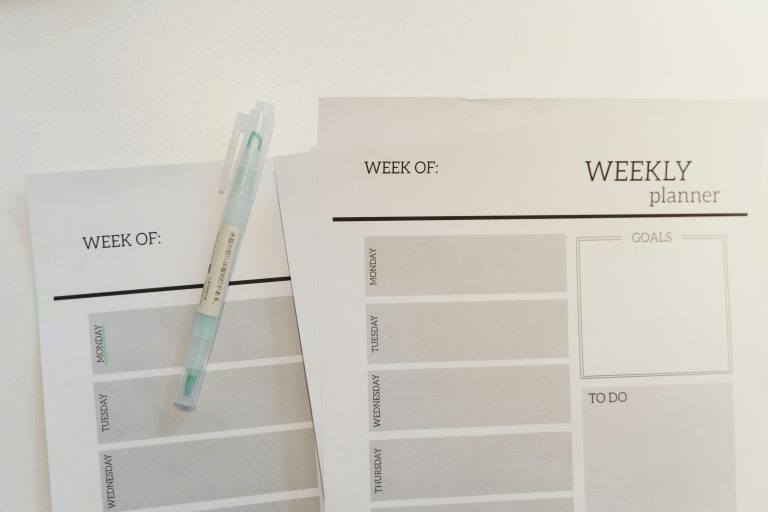



Free Tool: Chronic Illness Work Survival Kit
If low-capacity weeks often feel chaotic, having a structured system helps.
The Chronic Illness Work Survival Kit includes:
- weekly planning sheets
- flare-day protocols
- communication scripts
- energy-based planning tools
[Download the Chronic Illness Work Survival Kit]
Final Thought
Low-capacity weeks don’t have to derail everything.
When you adjust expectations early and focus on essentials you protect your ability to keep going – and that’s what makes work sustainable long-term.