Introduction
Mornings with rheumatoid arthritis can be tough – stiffness, pain and fatigue often show up before you’ve even had your first cup of tea or coffee. I know how discouraging it can feel when the day starts in discomfort. But here’s the good news: creating a morning routine with RA can make a real difference. Research shows that gentle movement, heat and pacing in the morning can help reduce stiffness and improve function throughout the day. Small changes. Big relief. Let’s explore how to build a supportive morning routine that works with your body not against it.
Why Mornings Are Challenging with Rheumatoid Arthritis
Mornings can be especially challenging for people living with rheumatoid arthritis because inflammation and joint stiffness often peak after long periods of overnight immobility. When joints remain still for hours, inflammation can build, making movement painful and slow when you first wake up.
Fatigue and disrupted sleep – both common with RA – can further intensify morning pain, leaving you feeling drained before the day even begins. This combination of physical discomfort and low energy can increase stress and uncertainty about what the day will hold.
Establishing a structured morning routine helps reduce that uncertainty, offering predictability, gentle support for stiff joints and a calmer, more manageable start to the day.
Setting Realistic Expectations for Your Morning Routine
Setting realistic expectations is an essential part of creating a supportive morning routine with rheumatoid arthritis. Letting go of the pressure to have a ‘productive morning’ allows you to focus on what your body actually needs rather than what you think you should be able to do.
Accepting that every morning will feel different helps reduce frustration and self-criticism, especially on days when pain or fatigue are higher. By working with your energy levels instead of fighting them, you can make gentler choices that preserve strength for later in the day.
Building flexibility into your routine ensures it remains supportive rather than restrictive, allowing you to adapt without guilt as your symptoms change.
This guide on working full-time with a chronic illness breaks down the systems that help you to keep working long-term.

Gentle Ways to Ease Morning Stiffness and Pain
Easing morning stiffness and pain with rheumatoid arthritis often starts with gentle, supportive strategies that help the body transition into movement. Heat therapy, such as warm showers or heating pads, can relax muscles and increase blood flow to stiff joints, making movement more comfortable.
Gentle stretching and range-of-motion exercises help lubricate the joints and gradually restore mobility without causing strain. Taking slow transitions from bed to standing gives your body time to adjust and reduces the risk of sudden pain or dizziness.
In some cases, supporting joints with pillows or braces can provide added stability and comfort, helping you start the day with less discomfort and greater ease.
Morning Movement for Rheumatoid Arthritis (Without Overdoing It)
Morning movement can play an important role in managing rheumatoid arthritis, as gentle activity helps lubricate the joints and reduce stiffness after periods of rest. Low-impact options such as light stretching, short walks or gentle yoga encourage circulation and mobility without placing unnecessary stress on inflamed joints.
Morning movement doesn’t need to be long or intense – even five to ten minutes can make a noticeable difference in how your body feels.
Just as important is listening closely to your body, learning to distinguish between healthy discomfort that eases with movement and pain signals that indicate it’s time to slow down or stop.
Anti-Inflammatory Breakfast and Hydration Habit
Fueling your body early in the day is especially important when living with rheumatoid arthritis, as it helps support energy levels, blood sugar balance and inflammation management. A simple, anti-inflammatory breakfast – such as oatmeal with berries, eggs with vegetables or yogurt with nuts and seeds – can provide steady fuel without overwhelming your system. Hydration also plays a key role in joint health, circulation and fatigue management, making it helpful to drink water soon after waking. On low-energy mornings, easy options like smoothies, overnight oats or a piece of fruit with protein can ensure your body still receives nourishment without requiring much effort.
Managing Fatigue and Energy Early in the Day
Managing fatigue and energy early in the day is an important part of living well with rheumatoid arthritis, as morning fatigue can be just as limiting as pain or stiffness. RA-related fatigue often stems from inflammation, poor sleep and the physical effort required to manage symptoms, making mornings especially draining.
Pacing your first tasks of the day by moving slowly and spacing activities apart helps conserve energy and reduces the risk of symptom flare-ups. Prioritizing only the most essential activities allows you to use your limited energy more intentionally, while avoiding early burnout helps preserve stamina for the rest of the day.
Emotional and Mental Support in the Morning
Emotional and mental support in the morning is just as important as physical care when living with rheumatoid arthritis, especially when pain and stiffness affect mood and motivation. Waking up in discomfort can increase stress or frustration before the day even begins, making it harder to feel grounded.
Using simple mindfulness or breathing practices can help calm the nervous system and reduce stress responses linked to morning pain. Gentle affirmations tailored to chronic illness mornings can also offer reassurance and self-compassion, reinforcing patience rather than pressure.
Creating a calm, unrushed environment – with soft lighting, quiet moments or extra time – helps set a more supportive tone for the day ahead.
Adapting Your Morning Routine During RA Flares
Adapting your morning routine during rheumatoid arthritis flares is essential for protecting both your body and emotional well-being. Knowing when to simplify your routine – or temporarily scale it back – allows you to respond to increased pain and fatigue without pushing yourself too far.
During flares, prioritizing rest and symptom relief helps prevent symptoms from worsening and supports recovery. Letting go of guilt when plans change is an important part of self-care, as flexibility is often necessary with RA.
Reaching out for extra support, whether from loved ones or healthcare providers, can provide both practical help and reassurance during more challenging flare days.
Creating a Sustainable Morning Routine with Rheumatoid Arthritis
Creating a sustainable morning routine with rheumatoid arthritis is about finding steady, supportive habits rather than striving for perfection. Consistency matters more than doing everything ‘right,’ especially when symptoms fluctuate from day to day.
Tracking what helps reduce morning pain – such as heat, gentle movement or pacing – can provide valuable insight and make it easier to repeat what works. As rheumatoid arthritis symptoms change over time, adjusting your routine ensures it continues to meet your body’s needs without added frustration.
By focusing on simple, repeatable habits, you can build a morning routine that supports long-term joint health and helps you start each day with greater comfort and confidence.
Free Tool: Chronic Illness Work Survival Kit
If setting boundaries at work feels difficult, having scripts and planning tools helps.
The Chronic Illness Work Survival Kit includes:
- communication templates
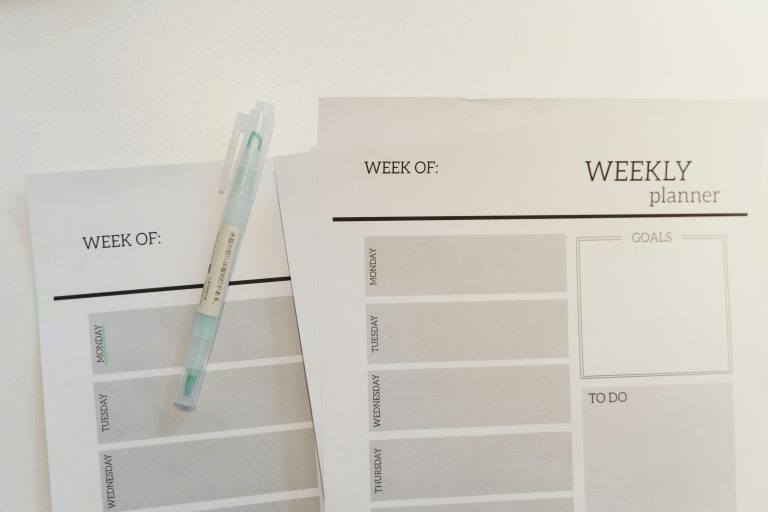
- weekly planning sheets
- flare-day protocols
- energy-based work systems
[Download the Chronic Illness Work Survival Kit]
Conclusion: Small Morning Changes, Meaningful Relief
Creating a morning routine with rheumatoid arthritis won’t eliminate pain completely – but it can reduce stiffness, protect energy and help you feel more in control of your day. Start small. Stay gentle. Adjust often. With time these simple habits can transform how your mornings feel and set a more supportive tone for living well with RA.