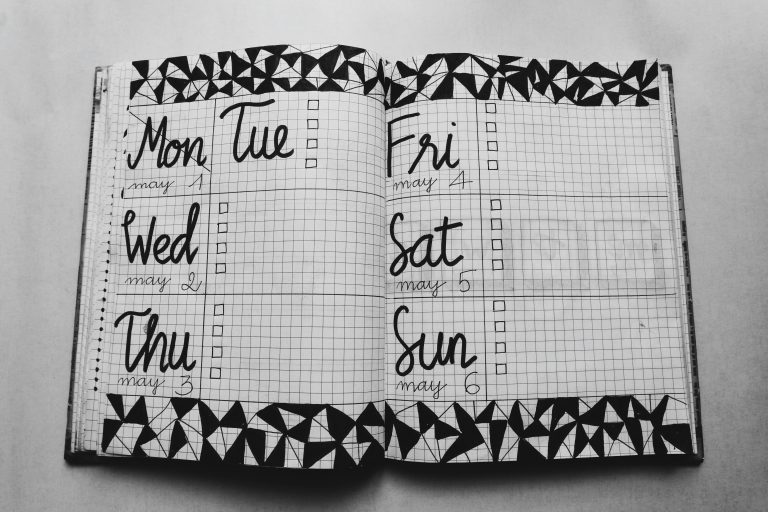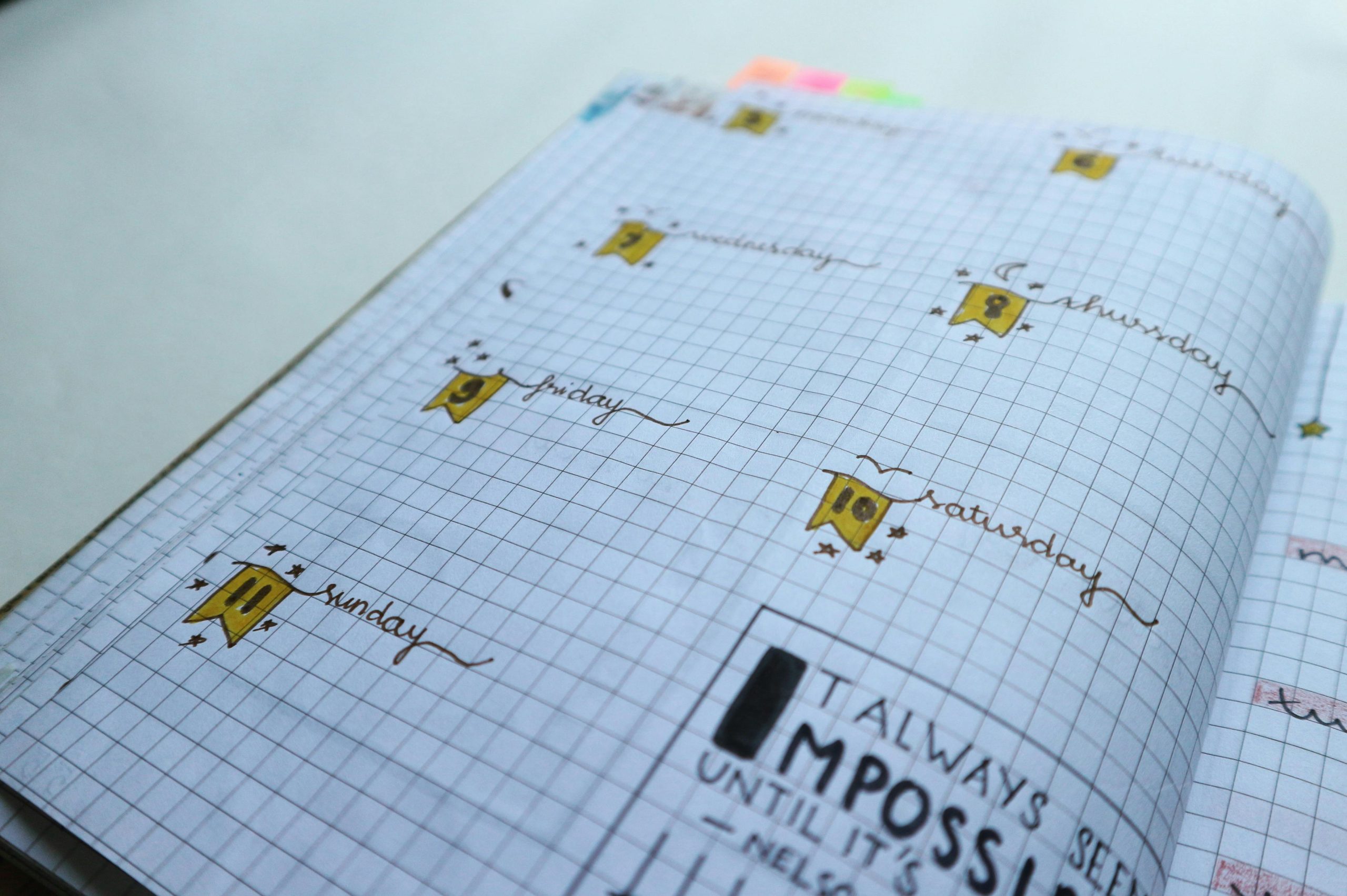
Planning a week when you live with chronic illness isn’t about productivity. It’s about survival with structure.
Most planning advice assumes:
- stable energy
- predictable capacity
- consistent recovery.
If you’re managing fatigue, pain or fluctuating symptoms that model fails quickly. You start the week optimistic, push through Monday and Tuesday then by Wednesday you’re already running on empty.
A better weekly plan doesn’t try to force consistency. It builds around variability.
Step 1: Start With Energy Not Tasks
Before writing a to-do list check your baseline.
Ask:
- How is my body this week?
- Am I already depleted?
- Is recovery needed first?
Some weeks are high-capacity.
Some are maintenance weeks.
Some are survival weeks.
Planning without acknowledging that is how crashes happen.
Step 2: Choose Weekly Priorities (3 Only)
If everything is important nothing is.
Pick:
- 1–3 essential outcomes for the week
Not 20 tasks.
Examples:
- finish one report
- attend key meetings
- maintain basic admin.
Anything beyond essentials is optional. This protects your energy for what actually matters.
Step 3: Identify Likely Low-Energy Days
Most people with chronic illness know their patterns.
Maybe:
- Monday is slow
- Wednesday fatigue hits
- flare risk after busy days.
Plan for those days instead of being surprised by them.
Low-energy days are not failures. They’re predictable features.
Step 4: Use Buffer Days
This is one of the most powerful strategies.
Do not schedule your week at full capacity.
Leave space:
- between big tasks
- after heavy days
- before deadlines.
Buffers prevent one bad day from destroying the entire week.
Step 5: Plan Recovery Like It Matters (Because It Does)
Recovery is not optional.
If you don’t schedule rest your body will schedule it for you.
Add:
- lighter days
- shorter work blocks
- evenings without pressure.
Recovery keeps you functional long-term.
Step 6: Build a Minimum Viable Week
Ask:
If this week goes badly what still needs to happen?
That’s your baseline.
Everything else is flexible.
This prevents panic when symptoms spike.
Step 7: Adjust Midweek Without Guilt
The best weekly plans are flexible.
On Wednesday or Thursday:
- reassess energy
- move tasks
- drop non-essential items.
You’re not failing the plan. You’re using it correctly.
This guide on working full-time with a chronic illness breaks down the systems that help you continue work long-term.

Example Weekly Structure
High-capacity day
– deep work
– complex tasks
Medium day
– meetings
– admin
Low day
– essentials only
– rest buffers
This rhythm is sustainable.
Why This Works
You’re not trying to force productivity.
You’re protecting continuity.
Consistency over intensity.
Sustainability over output.
That’s what allows you to keep working long-term.



Free Tool: Chronic Illness Work Survival Kit
If weekly planning feels chaotic having systems helps.
The Chronic Illness Work Survival Kit includes:
- energy-based weekly planning
- flare-day protocols
- workplace scripts
- sustainability tools.
[Download the Chronic Illness Work Survival Kit]
Final Thought
A well-planned week with chronic illness doesn’t look impressive.
It looks realistic.
Adaptable.
Sustainable.
That’s the kind of planning that keeps you going.