Bad health days happen.
You wake up exhausted. Symptoms spike.
Work takes more effort than usual – or doesn’t happen at all.
By evening you feel frustrated, behind or worried about what tomorrow will bring.
The hardest part often isn’t the bad day itself. It’s what happens afterward.
The pressure to ‘catch up.’ The urge to push too hard the next day.
The fear that one difficult day will derail everything.
Resetting properly after a bad health day matters more than pushing through it.
First: A Bad Day Is Not a Failure
If you live with chronic illness bad days are part of the pattern.
They don’t mean:
- you’re falling behind permanently
- you’ve lost momentum
- the week is ruined.
But how you respond the next day can either stabilise things or make recovery harder.
The goal is not to erase the bad day.
It’s to reset without creating a bigger crash.
Step 1: Lower the Pressure to ‘Make Up for It’
The instinct after a bad day is to compensate.
You try to:
- work faster
- do more
- clear everything immediately.
But pushing hard the next day often leads to another crash.
Instead of asking,
‘How do I catch up on everything?’
ask,
‘What matters most right now?’
Focus on essentials first. Let non-urgent tasks wait.
Step 2: Assess Your Current Capacity
Before planning the next day check your baseline.
Ask:
- How do I feel physically today?
- Am I still recovering?
- Is this a low, medium or higher-capacity day?
If recovery is ongoing plan accordingly.
Reset days should be realistic not ambitious.
Step 3: Rebuild Momentum Slowly
You don’t need a perfect day after a bad one.
You need a manageable one.
Start with:
- a small task
- one priority
- simple admin
- gentle re-entry into work.
Momentum builds gradually.
Trying to jump straight back into full capacity often backfires.
Step 4: Reprioritise the Week
One difficult day doesn’t mean the whole week is lost.
Look at your remaining tasks and ask:
- What truly needs to happen?
- What can move to next week?
- What can be simplified?
Adjust the plan instead of forcing yourself to meet the original one.
Flexibility keeps the week functional.
Step 5: Communicate Briefly If Needed
If timelines have shifted a short update helps.
You don’t need to explain everything.
A simple message is enough:
‘Yesterday was a low-capacity day for me so I’m adjusting priorities slightly. I’ll update you on timelines if anything changes.’
Clear communication reduces pressure and uncertainty.
Step 6: Protect the Evening After a Bad Day
Recovery doesn’t end when work does.
After a difficult day keep the evening simple:
- reduce stimulation
- eat something nourishing
- rest earlier
- avoid overloading yourself.
A calmer evening often leads to a better next day.
Step 7: Avoid the ‘All or Nothing’ Trap
It’s easy to think:
‘I lost a day so the week is ruined.’
But one difficult day is just one data point.
What matters is how you adjust afterward.
Steady recovery beats aggressive catch-up.
If you’re trying to keep working long-term, this guide on working full-time with a chronic illness breaks down the systems that help.

What a Good Reset Looks Like
A successful reset day might include:
- one or two essential tasks
- adjusted expectations
- built-in rest
- realistic planning.
It won’t look impressive from the outside.
But it protects your ability to continue.
That’s the real goal.


Free Tool: Chronic Illness Work Survival Kit
If bad health days regularly disrupt your week, having systems helps you reset faster.
The Chronic Illness Work Survival Kit includes:
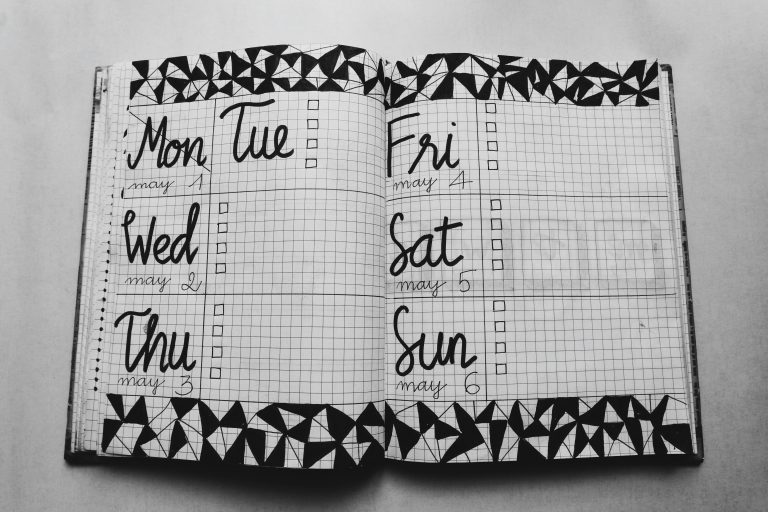
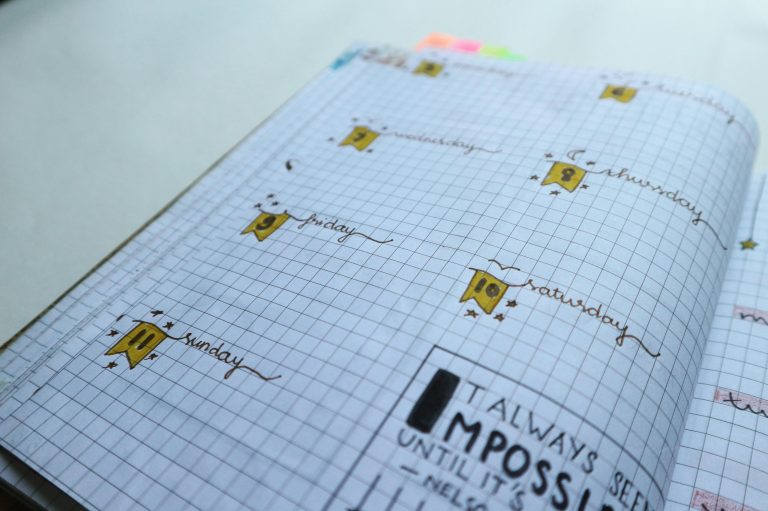
- weekly planning sheets
- flare-day protocols
- communication scripts
- energy-based planning tools
[Download the Chronic Illness Work Survival Kit]
Final Thought
You don’t need to recover perfectly after a bad health day.
You just need to reset gently enough that tomorrow is still workable.
Less panic.
Less pressure.
More continuity.
That’s how sustainable weeks are built.