“You’re not too old. You’re just getting started.”
Introduction
Strength training for women over 45 is one of the most powerful ways to boost energy, build muscle and support long-term health. As we age staying strong becomes essential—not just for physical fitness but for confidence, independence and overall well-being. Whether you’re new to strength training or returning after a break it’s never too late to start. In this article we’ll explore how to safely and effectively begin your strength training journey and why it’s a game-changer for women in midlife.
When we change our mindset we can begin real transformation. No matter you’re age or gender if you are someone who’s curious about strength training but unsure where to start you’re not alone—and you’re absolutely in the right place. In fact strength training is one of the most powerful tools women can use to age stronger, feel more energized and maintain independence for decades to come.
Strength training is particularly important for women as we age. It helps with functional fitness – which helps us to live an independent and active life.
The good news? It’s never too late to start and you don’t need a gym, fancy equipment or past experience. This absolute beginner’s guide will walk you through everything you need to know to start building muscle, improving balance and boosting overall wellness—safely and effectively.
My Story
I used to think strength training wasn’t for me. I thought that working out and begin toned was for others and not for me. However in my 40s, with a child, a busy job and zero exercise experience I stepped into a gym for the very first time. I was fascinated by the weights but felt somewhat overwhelmed. Lifting weights felt intimidating and unnecessary. A trainer at the gym introduced me to beginner exercise routines using machines and very light weights. Something shifted.
After my first workout I was in bits the following two days. I had moved and awakened muscles that had been dormant for all of my 45+ years! But I didn’t let that put me off. I gave myself a little space and a willingness to show up and learn. At first I could barely do a squat without wobbling. I took my time and focused in learning these new skills. Week by week I started feeling stronger. Not just physically but mentally too.
After a few months I began to notice small and subtle changes. I could carry all the groceries in one trip, my back didn’t ache after long days and my energy has soared. Even my mood felt more balanced.
Now I don’t train to “get ripped” or change how I look—I train because I finally feel good in my body. And that’s something I didn’t expect to find in my 40s. and into my 50s. If you’ve been avoiding exercise because it feels overwhelming, trust me: just start small. You’ll be amazed at what your body can do—and how good it feels to take care of yourself.
Let’s break down the why, the how and the what of strength training for women over 45.
Why Strength Training Is Essential After 45
Muscles aren’t just for athletes or bodybuilders—they play a crucial role in the everyday life of women especially as we age. Having well-conditioned muscles means more than just visible tone; it’s about strength, stability and staying independent. From carrying groceries and climbing stairs to maintaining good posture and balance muscle health directly supports the daily tasks many of us take for granted.
For women especially those over 50 maintaining muscle mass can help offset the natural loss that comes with aging which can lead to weakness and increased risk of falls. Starting in our 40s our bodies naturally begins to lose muscle mass—up to 1% per year—a condition known as sarcopenia. Without strength training this can lead to a slower metabolism, weaker bones, poor posture and increased risk of injury.
Strong muscles also contribute to a healthy metabolism making it easier to manage weight and blood sugar levels. Muscle definition helps support joints reducing pain from conditions like arthritis. Perhaps just as important developing and preserving muscle strength boosts confidence. It’s empowering to feel strong in your own body. Whether it’s lifting your grandchild or moving a heavy planter in the garden muscle strength gives women the ability to fully engage in the life they love—on their terms. Regular strength training even with simple tools like resistance bands or light weights is one of the most valuable investments women can make in their long-term health and vitality.
Here’s why strength training is critical after 45:
- Improves bone density and reduces the risk of osteoporosis
- Helps preserve and build lean muscle mass
- Boosts metabolism and aids in healthy weight management
- Enhances posture, balance and joint stability
- Supports mood, cognitive function,and sleep quality
- Reduces menopausal symptoms like fatigue and insulin resistance
The bottom line: strength training is a form of preventive health care that can dramatically enhance your quality of life.
Why Strength Training is Vital for Functional Fitness as We Age
Quality of Life
As we grow older maintaining independence and quality of life becomes a top priority. Strength training is one of the most effective ways to support functional fitness—the ability to perform everyday tasks safely and efficiently. Unlike high-intensity workouts that focus purely on aesthetics or performance strength training for functional fitness targets movements that mimic daily activities such as lifting groceries, climbing stairs or getting up from a chair. Building and preserving muscle mass through resistance exercises can make these routine actions easier and reduce the risk of injury.
Real World Movements
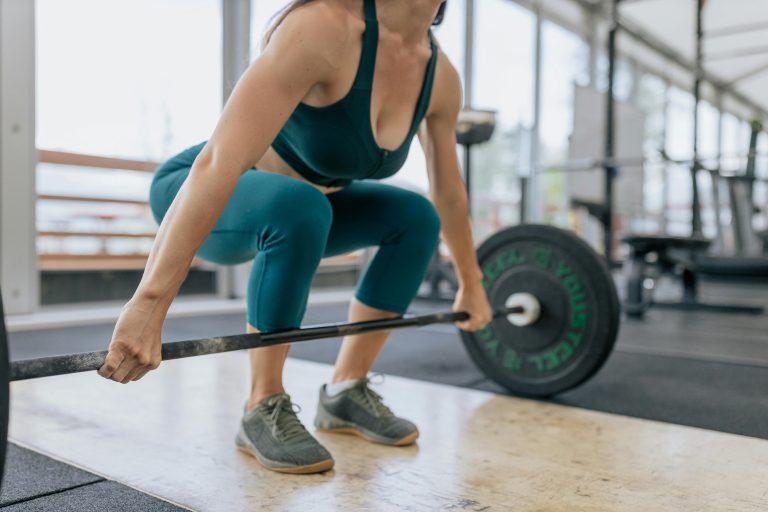
Functional fitness involves the coordination of multiple muscle groups to carry out real-world movements. Exercises like squats, lunges and rows are excellent examples because they enhance balance, mobility and joint stability. For instance practicing weighted squats can improve one’s ability to rise from a seated position or bend down to pick something up without strain. Similarly overhead presses and core-strengthening movements aid in reaching for items on a shelf or maintaining posture while walking.
Impact of Decline
A loss and decline of muscle mass and bone density can directly impact your quality of life. This decline can lead to frailty, falls and prolonged recovery times. Strength training acts as a powerful countermeasure helping to preserve lean muscle, strengthen bones and support joint health. It also improves metabolism and insulin sensitivity which are key factors in managing age-related conditions like type 2 diabetes and obesity.
Weekly Routine
Incorporating strength training into a weekly routine doesn’t require heavy weights or a gym membership. Bodyweight exercises, resistance bands and light dumbbells can all provide significant benefits when performed consistently. Starting early even with low intensity can lay a foundation for healthier aging and increased confidence in daily movement. The result is not just a stronger body but a more capable and resilient one well into the later years of life.
Common Myths About Midlife Strength Training
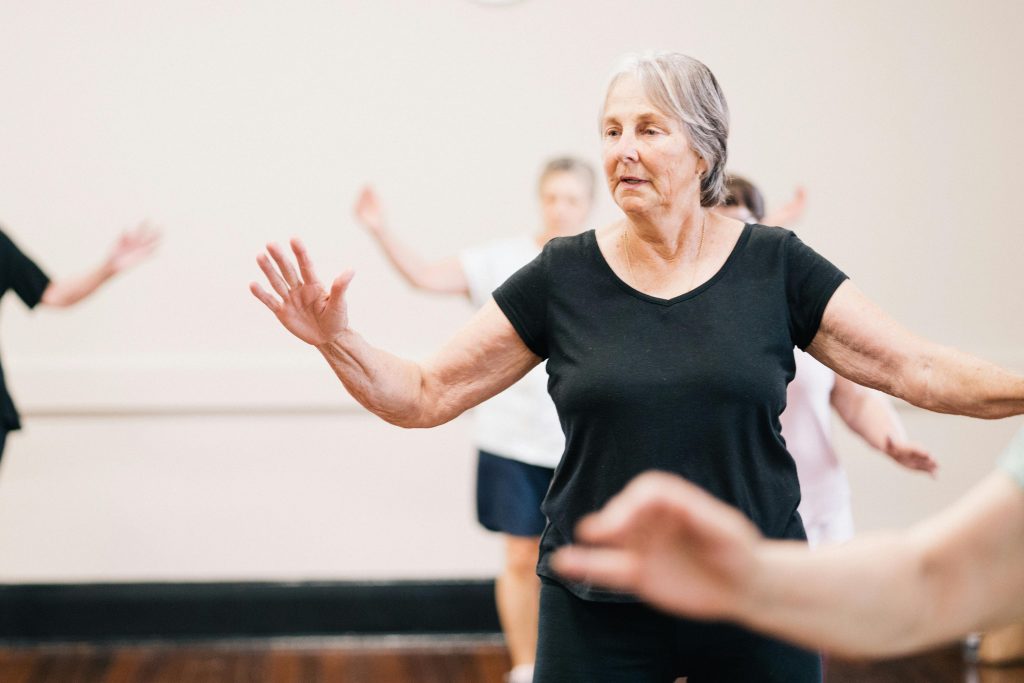
Unfortunately many women shy away from lifting weights because of outdated myths. Let’s bust a few right now.
- MYTH – Lifting weights will make me bulky.
TRUTH – Women naturally produce less testosterone making it extremely difficult to gain bulky muscle. What you’ll gain is tone, strength and endurance. - MYTH – I’m too old to start now.
TRUTH – Strength training is beneficial at any age—and starting in your 40s, 50s or 60s is both safe and effective. - MYTH – I need a gym membership to see results.
TRUTH– You can build strength at home using bodyweight, resistance bands or dumbbells. - MYTH – Cardio is enough.
TRUTH– While cardio has benefits it doesn’t build strength or muscle. Strength training complements cardio and delivers deeper long-lasting benefits.
Getting Started: What You Really Need
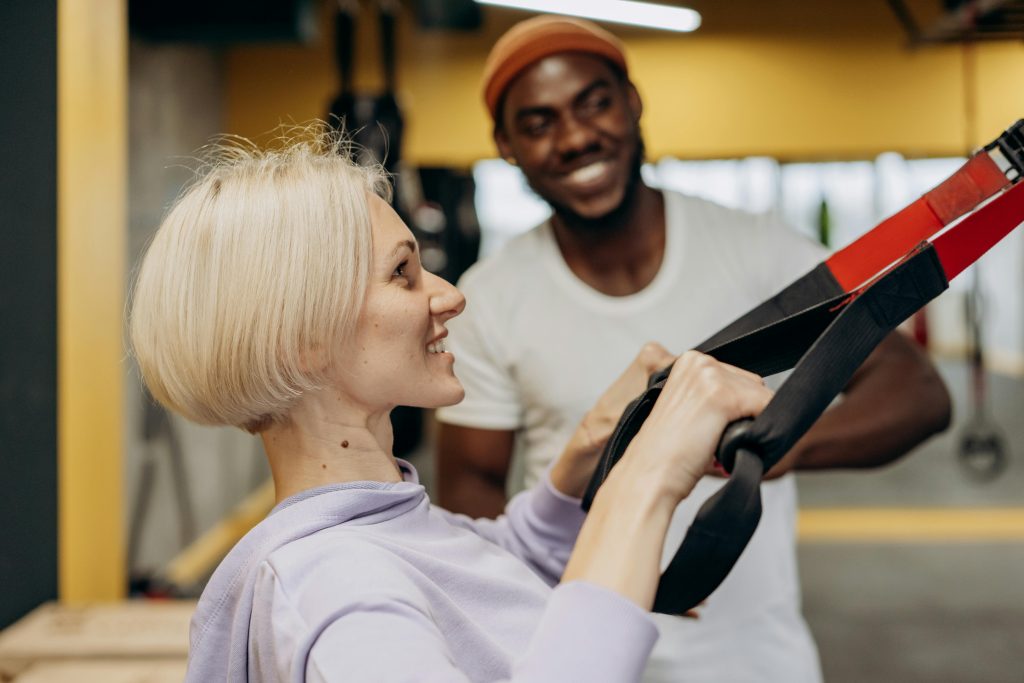
Starting a strength routine doesn’t require a gym or expensive equipment. A few basics are all you need to get going.
Medical Advice and Clearance
Before you start any new exercise regime talk to your doctor or medical provider. Tell them what you intend to do and get clearance before you start. Remember most exercises can be modified or scaled to suit your ability and needs.
Home vs. Gym
- Home workouts offer privacy, flexibility and convenience. Home workouts are perfectly suitable for some people. If you have the basic equipment required the space to move around and discipline to incorporate working out into your schedule then home workout can be ideal.
- Gyms provide more equipment and access to trainers but can be intimidating or inconvenient. Gyms have professional staff who can assist you in devising a workout plan. Also the structure of attending a gym or a class can be highly beneficial.
Starter Equipment for Home
- Resistance bands – ideal for beginners and joint-friendly.
Resistance Bands are rubber or latex elastic bands can be used to perform a wide variety of different exercises. The bands are available in a variety of shapes, including loops, tubes and flat bands. They can also be used alone or attached to anchor points or handles. When stretched the bands create tension which strengthens and tones muscles.
In recent years resistance bands have gained in popularity due to their effectiveness and versatility in fitness and rehab routines. They can be used by people at all fitness levels and ages. - Dumbbells (5–15 lbs/2-7kgs) – choose based on your current strength.
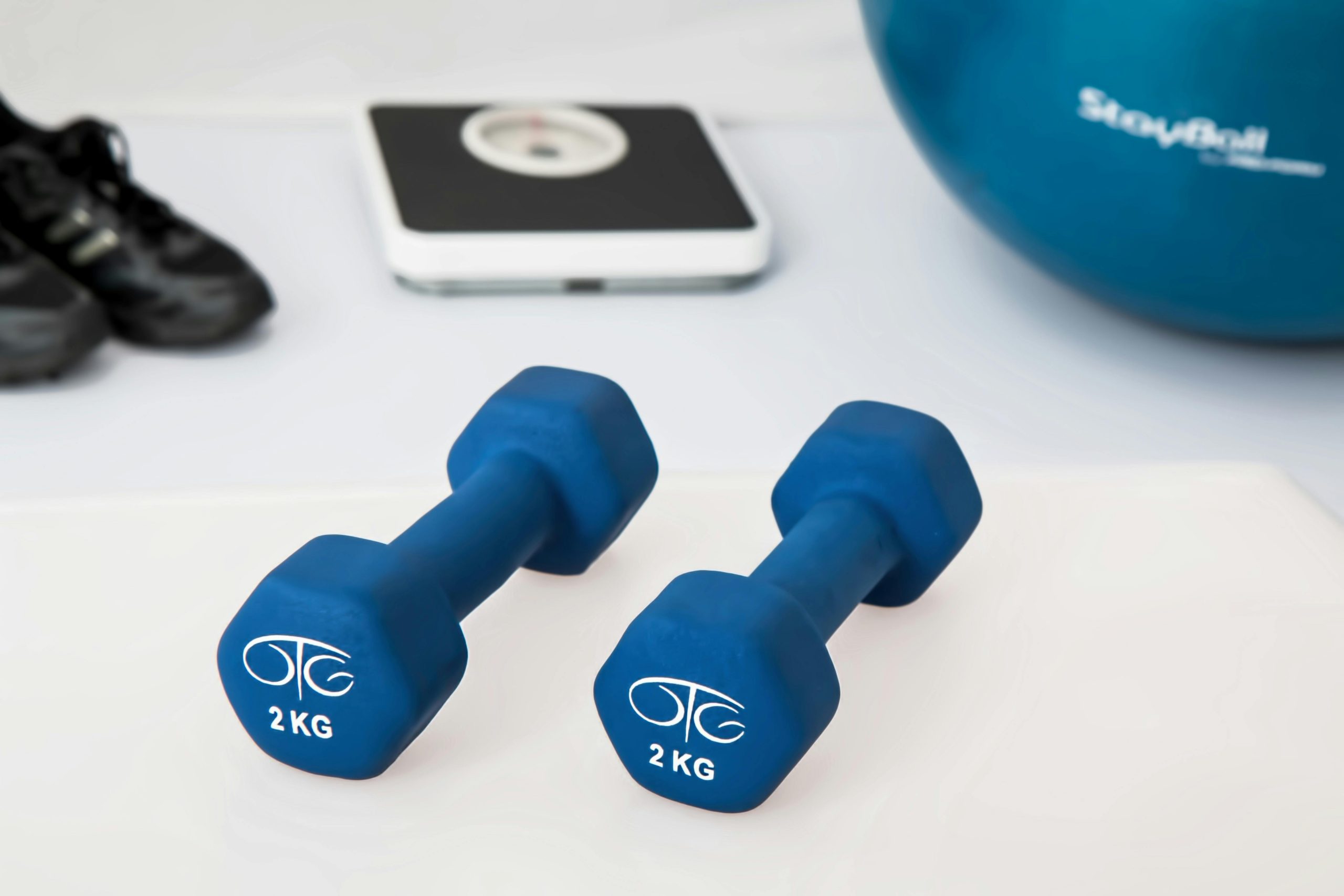
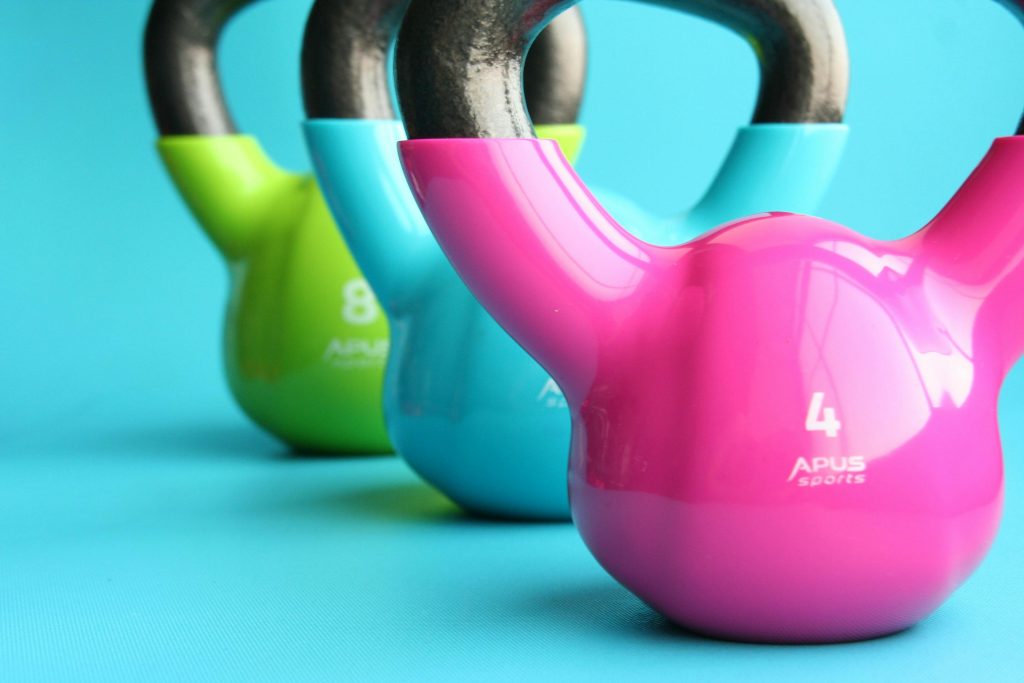
Dumbbells are a form of free weights widely used in fitness and strength training. They consist of a small, usually metal bar, with weights attached to each end. They vary in weight from very light to very heavy. A free weight means it’s not attached to a stationary object or place and can be moved around and used anywhere.
Don’t overestimate your ability. Lifting too heavy too soon can cause damage and derail your strength training. Start light and work up from there. - Yoga mat – for comfort and joint support.
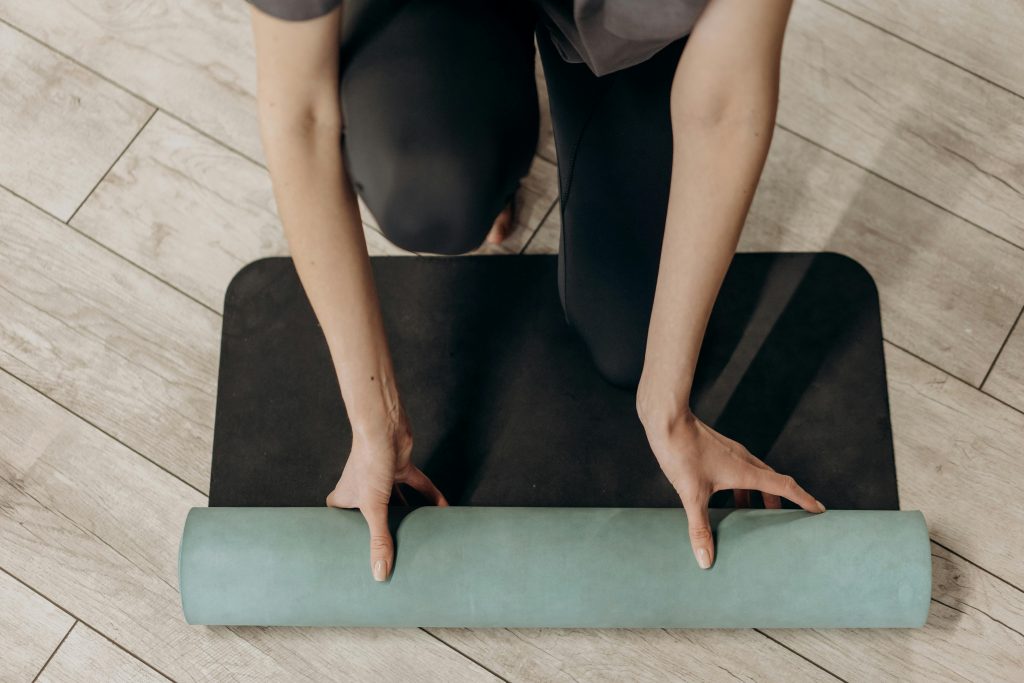
A yoga mat provides grip and stability, cushioning and protection for your joints.
Beginner Strength Exercises for Women Over 45
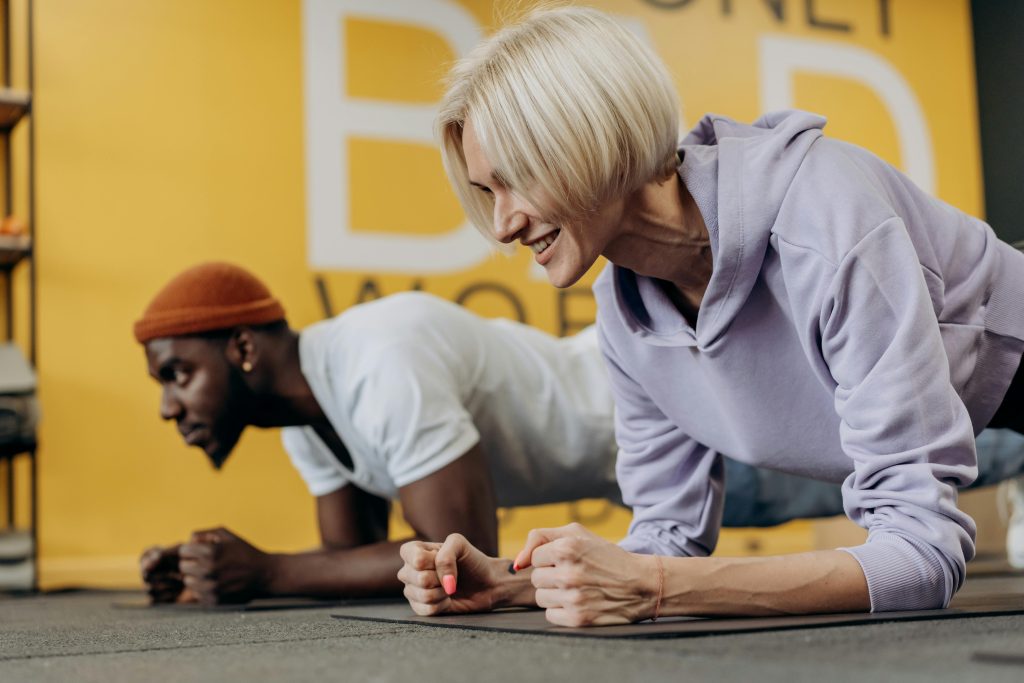
These simple, effective exercises form the foundation of any strength training plan. Start with 1–2 sets of 8–12 reps 2–3 times per week.
Let’s breakdown what that means!!!
In this example we are doing a bicep curl. We will do 3 sets of 10 reps.
A rep is a repetition of the exercise (ie the bicep curl).
A set is quantity of reps done together (ie number of times we repeat the bicep curl).
Weight is the actual weight of the barbell you are using (ie in this example we are using a 1kg barbell).
Therefore, 3 sets of 10 reps means, lifting our 1kg weight – do the bicep curl 10 times. Then stop, rest for a while (say 60 seconds). Then do 10 more bicep curls. Stop, rest (say 60 seconds). Repeat the bicep curls again 10 times.
Now you have completed the exercise.
Upper Body
- Bicep Curls – strengthens arms and grip
- Overhead Press – targets shoulders and posture
- Bent-over Rows – works back and improves balance
Lower Body
- Bodyweight Squats – strengthens legs and glutes
- Glute Bridges – builds posterior chain and core
- Step-ups – improves strength and stability
Core
- Bird Dog – supports spinal health and balance
- Dead Bug – strengthens deep core muscles
- Standing Marches – engages abs and hip flexors
Tip: Focus on form not weight. Quality movements lead to better results than rushing or lifting too heavy too soon.
Creating a Simple Weekly Strength Routine
A consistent weekly routine helps you progress without overtraining. Here’s a beginner-friendly plan:
Sample 3-Day Strength Split:
- Day 1: Full Body (light weights or bodyweight)
- Day 2: Rest or Active Recovery (walking, yoga)
- Day 3: Lower Body + Core
- Day 4: Rest
- Day 5: Upper Body + Core
- Day 6: Optional Cardio (brisk walk, cycle)
- Day 7: Rest
Combine strength with light cardio and stretching for a complete midlife wellness routine.
Staying Motivated and Safe as a Beginner
Your journey doesn’t have to be perfect—it just has to be consistent.
Motivation Tips:
- Set small, achievable goals: For example – do 2 strength workouts this week
- Celebrate progress: strength, mood, energy—track them all
- Follow trusted trainers online: YouTube has great channels for women over 45
- Use fitness apps or a notebook to log sets, reps, and how you feel
Safety Tips:
- Warm up before and cool down after every session
- Use proper form—mirror or record yourself to check
- Don’t ignore joint pain; adjust exercises as needed
- Rest when your body needs it
Listening to your body is one of the most powerful fitness tools you have.
Strength Training and Hormonal Health
Perimenopause and menopause introduce shifts in oestrogen, progesterone and cortisol all of which impact muscle, fat storage and energy. Strength training can help regulate these changes and support overall hormonal balance.
Benefits Include:
- Improved insulin sensitivity
- Reduced abdominal fat
- Better mood and sleep
- Lower cortisol and stress levels
- Increased bone mineral density
Strength training isn’t just for your body—it’s for your hormones too.
Conclusion
Strength training for women over 45 is not just about building muscle—it’s about building resilience, confidence and longevity. Starting today with a few simple tools and a clear plan you can take control of your health and feel stronger in every area of your life.
You don’t have to be perfect. You just have to begin. Pick one movement. One set. One small step. And then keep going.