When you live with chronic illness the question isn’t just how do I get through today?
It’s:
How do I build a week I can repeat without crashing?
Most weekly schedules are built for consistency and endurance. But when your energy fluctuates a rigid schedule can become exhausting to maintain. You start strong, push through early in the week and then spend days recovering.
A sustainable weekly structure doesn’t aim for maximum productivity.
It aims for continuity.
It helps you keep working without constantly rebuilding from exhaustion.
First: Stop Designing Weeks Around Ideal Energy
Many weekly plans assume:
- stable energy
- predictable recovery
- consistent capacity.
But chronic illness rarely works that way.
Some weeks start low.
Some improve midweek.
Some change unexpectedly.
A sustainable structure accepts variability instead of fighting it.
Instead of planning the perfect week build one that can flex.
Step 1: Define Your Weekly Essentials
Start with what must happen:
- key deadlines
- important meetings
- essential tasks.
Keep this list small.
When everything is essential nothing is manageable. A short list gives you a stable baseline when symptoms fluctuate.
Everything else can move.
Step 2: Spread Energy Demands Across the Week
Not every day should carry equal weight.
A sustainable week often looks like:
- one or two heavier days
- one lighter day
- several moderate days.
Avoid stacking high-effort days back-to-back. Spreading demanding work across the week prevents sharp drops in energy.
Energy distribution matters more than total workload.
Step 3: Build in a Midweek Stabiliser
Many people crash midweek because Monday and Tuesday are too intense.
Adding a lighter day around Wednesday can help:
- fewer meetings
- simpler tasks
- flexible timing.
This stabiliser keeps fatigue from escalating and protects the second half of the week.
Step 4: Use Buffer Time Intentionally
Buffer time is flexible space that absorbs disruption.
It might include:
- open afternoons
- lighter work blocks
- extra rest
- fewer commitments.
Buffer time isn’t wasted.
It prevents small disruptions from turning into major setbacks.
Step 5: Plan Recovery Into the Week
Recovery doesn’t only happen on weekends.
Add small recovery points:
- lighter evenings
- shorter work blocks
- gentle pacing
- reduced stimulation.
When recovery is built into the week you don’t start each new week depleted.
Step 6: Create a Low-Capacity Version of Your Week
Some weeks will be harder than others.
Having a ‘minimum viable week’ helps:
- focus on essentials
- delay non-urgent work
- simplify routines.
This keeps you engaged without forcing unrealistic output.
Step 7: Review and Adjust Regularly
At the end of each week take a moment to reflect:
- Which days felt heavy?
- When did fatigue build?
- Where did I need more flexibility?
Small adjustments improve the next week.
A sustainable structure evolves over time.
This guide on working full-time with a chronic illness breaks down the systems that help if you’re trying to work long-term

Example Sustainable Weekly Rhythm
Monday: moderate start
Tuesday: focused work
Wednesday: stabiliser / buffer
Thursday: medium effort
Friday: low pressure
This rhythm spreads energy and reduces midweek crashes.
Your version might look different. The goal is balance, not uniformity.
Why This Matters Long-Term
When your weekly structure is sustainable:
- recovery improves
- crashes become less severe
- work feels more manageable
- consistency increases.
You’re not trying to maximise output.
You’re trying to maintain participation.
That’s what keeps work possible over time.



Free Tool: Chronic Illness Work Survival Kit
If building a sustainable weekly structure feels overwhelming having a simple system helps.
The Chronic Illness Work Survival Kit includes:
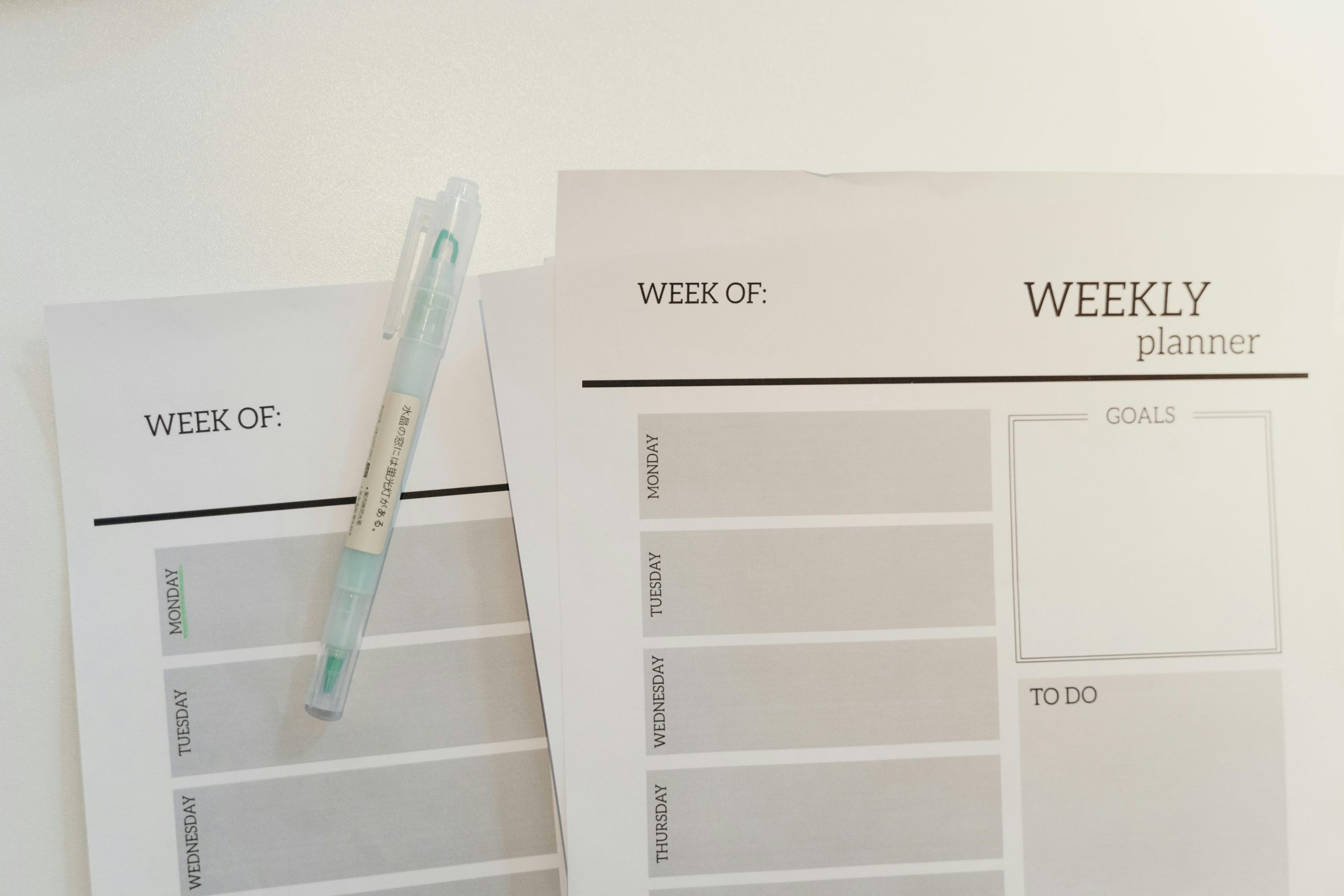
- weekly planning sheets
- energy-based scheduling tools
- flare-day protocols
- workplace scripts
[Download the Chronic Illness Work Survival Kit]
Final Thought
A sustainable week with chronic illness won’t look perfectly balanced.
It will look adaptable.
Flexible.
Realistic.
When your week can bend without breaking you’re far more likely to keep going – and that’s what sustainability really means.