Energy tracking gets recommended a lot to people with chronic illness.
‘Track your symptoms.’
‘Track your fatigue.’
‘Track your patterns.’
And while tracking can be useful it can also become exhausting in itself.
You don’t need spreadsheets, hourly logs or perfect data.
You need just enough awareness to make better decisions – without turning your day into a monitoring exercise.
Tracking energy should support your life not consume it.
Why Track Energy at All?
When energy is unpredictable patterns are easy to miss.
You might notice:
- crashes midweek
- certain tasks draining you
- better mornings than afternoons
- delayed fatigue after busy days.
Tracking helps you see patterns that aren’t obvious in the moment.
The goal isn’t precision.
It’s awareness.
The Problem With Over-Tracking
Over-tracking can create:
- anxiety
- constant self-monitoring
- pressure to interpret data
- frustration when patterns don’t hold.
Chronic illness isn’t always predictable. Even perfect tracking won’t eliminate variability.
If tracking becomes stressful it stops being helpful.
You don’t need detailed data.
You need usable insight.
A Simple Way to Track Energy
Instead of tracking everything track one thing:
Your general energy level.
Use a simple scale:
- Low
- Medium
- Higher.
At the start or end of each day note where you are.
That’s enough.
Over time patterns start to emerge:
- which days feel heavier
- when fatigue builds
- when recovery happens.
This gives you context without overwhelm.
Track in Short Windows
You don’t need to track forever.
Try:
- one week
- two weeks
- occasional check-ins.
Short tracking periods give insight without becoming a long-term task.
Once you notice patterns you can stop or reduce tracking.
This guide on working full-time with chronic illness breaks down the systems that help if you are trying to keep working long-term

Focus on Patterns Not Perfection
Energy patterns won’t always repeat exactly.
But you may notice:
- busy days → next-day fatigue
- midweek dips
- mornings easier than evenings
- meetings more draining than solo work.
Use patterns as guidance not rules.
They help you:
- plan buffer days
- spread demanding tasks
- anticipate low-energy periods.
Use Tracking to Adjust Your Week
Once you notice patterns you can adjust:
- keep Mondays lighter
- protect Wednesdays
- plan recovery after heavy days
- avoid stacking demanding tasks.
This is where tracking becomes useful.
Not as data collection — as decision support.
Stop Tracking When It Stops Helping
Tracking is a tool not a requirement.
If it becomes:
- stressful
- repetitive
- unhelpful.
Pause it.
You can always return later if needed.
The goal is to support your energy not monitor it constantly.
A Minimal Tracking Example
Each evening ask:
- Was today low, medium or higher energy?
- What might have affected that?
That’s enough information to guide future planning.
No detailed logs required.
Why This Matters
When you understand your energy patterns:
- weeks feel more predictable
- crashes feel less surprising
- planning becomes easier
- expectations become more realistic.
You’re not trying to control everything.
You’re trying to reduce unnecessary strain.

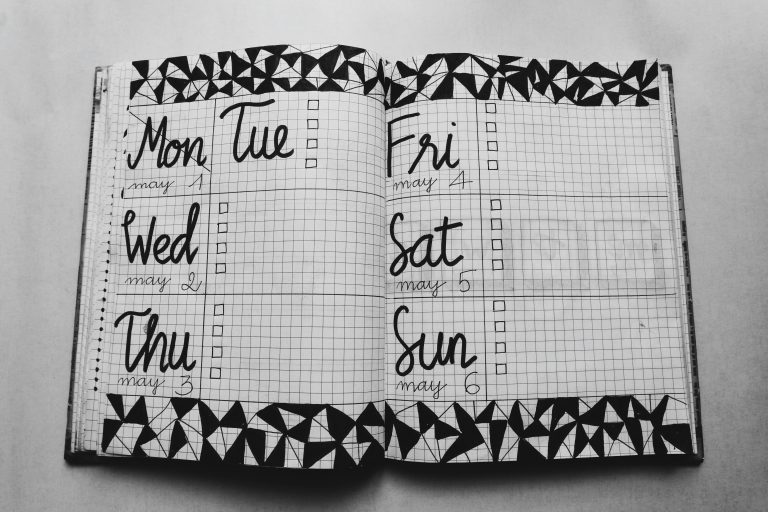

Free Tool: Chronic Illness Work Survival Kit
If tracking and planning your energy feels chaotic, having a simple structure helps.
The Chronic Illness Work Survival Kit includes:
- daily energy planning sheets
- weekly planning tools
- flare-day protocols
- communication scripts
[Download the Chronic Illness Work Survival Kit]
Final Thought
You don’t need perfect data to manage your energy.
You need just enough awareness to make kinder, more realistic decisions about your time and capacity.
Tracking should feel supportive – not like another job.