
Some mornings you wake up tired. Other mornings you wake up exhausted before the day has even started.
Your body feels heavy.
Your brain feels slow.
The idea of getting through the day feels overwhelming.
If you live with chronic illness this isn’t unusual. But it can still be stressful – especially when work or responsibilities can’t simply be postponed.
When you wake up exhausted the goal isn’t to ‘fix’ the day immediately.
It’s to reduce the damage and move through the day in a way that protects your energy as much as possible.
First: Don’t Panic About the Whole Day
It’s easy to jump ahead mentally:
- How will I get through today?
- What if I can’t keep up?
- What if this lasts all week?
But you don’t need to solve the entire day at once.
Start with one question:
What level of capacity do I have right now?
Low? Medium? Very low?
Answering that honestly helps you make better decisions from the start.
Step 1: Slow the Start Instead of Forcing It
If possible give yourself a slightly slower entry into the day.
Even 10–20 minutes can help:
- sit up slowly
- drink water
- take medication
- check in with your body.
Rushing when exhausted often makes everything harder.
A gentler start can preserve a small amount of energy for later.
Step 2: Reduce Early Decisions
When you’re exhausted decision-making becomes harder.
Simplify wherever possible:
- repeat a familiar breakfast
- wear something comfortable
- stick to routine
- avoid unnecessary choices.
Predictability helps when your brain feels foggy.
Step 3: Switch to Low-Energy Mode Early
If you wake up exhausted assume capacity is lower than usual.
Instead of planning a full day and scaling back later start with a minimal plan:
- one or two essential tasks
- key meetings only
- simplified expectations.
You can always add more if energy improves. Scaling back later is harder.
Step 4: Choose Manageable Tasks First
Starting with the hardest task when exhausted can make the day feel impossible.
Instead, begin with something manageable:
- checking emails
- reviewing tasks
- organising your day.
Momentum matters more than intensity on days like this.
Step 5: Build in Early Rest
Exhaustion doesn’t disappear because the day started.
Short pauses early in the day help prevent a full crash later:
- brief breaks
- stretching
- stepping away
- closing your eyes for a few minutes.
Resting early is not laziness. It’s prevention.
Step 6: Communicate If Necessary
If exhaustion significantly reduces your capacity, consider a brief update:
“I’m working at reduced capacity today and focusing on essentials. I’ll update you if anything shifts.”
You don’t need to overshare.
Clarity reduces pressure.
Step 7: Adjust Expectations for the Day
An exhausted day is not a high-output day.
A successful day might look like:
- completing one key task
- maintaining communication
- avoiding a full crash
- preserving some energy for tomorrow.
That’s enough.
Step 8: Protect the Evening
If you wake up exhausted recovery needs to start early.
Keep the evening simple:
- eat something nourishing
- reduce stimulation
- rest earlier
- avoid overloading yourself.
Protecting the evening often improves the next morning.
Whether you’re newly diagnosed or years into managing your chronic illness this guide on working full-time with a chronic illness breaks down the systems that help

When Exhaustion Is Frequent
If you wake up exhausted regularly patterns may help:
- consistent sleep window
- gentler evenings
- realistic weekly planning
- energy budgeting.
You won’t eliminate all bad mornings.
But you can reduce how disruptive they are.


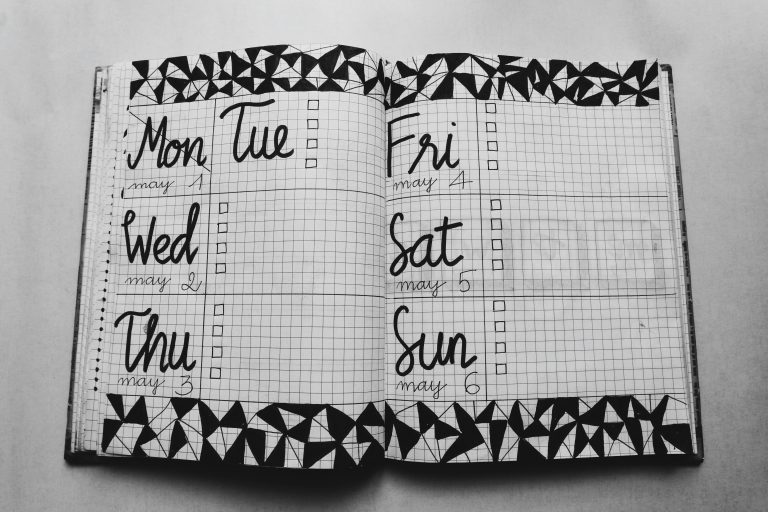

Free Tool: Chronic Illness Work Survival Kit
If waking up exhausted is a regular challenge, having a plan helps reduce panic.
The Chronic Illness Work Survival Kit includes:
- daily energy planning sheets
- flare-day protocols
- weekly planning tools
- workplace scripts
[Download the Chronic Illness Work Survival Kit]
Final Thought
Waking up exhausted doesn’t mean the day is lost.
It means the day needs to be approached differently.
Start slower.
Do less.
Protect what energy you have.
That’s how you get through difficult days without making tomorrow harder.