A flare rarely announces itself politely.
You wake up heavier than usual.
Pain is louder.
Your brain feels slower.
Everything already feels harder – and the workday hasn’t even started.
The panic comes fast:
How am I going to get through today?
What if I fall behind?
What if this turns into days?
If you work with chronic illness, flares aren’t unexpected or a failure. They’re part of the terrain.
The problem isn’t the flare itself. It’s the panic-driven decisions we make while inside it.
Let’s talk about how to work during a flare without making it worse.
First: Pause Before You Decide Anything
The instinct during a flare is to react.
To push.
To cancel everything.
To mentally spiral five days ahead.
Before doing anything else, pause.
Not to meditate.
Not to be positive.
Just to stop the automatic response.
Ask one grounding question:
What kind of day is this – realistically?
Not what should it be.
Not what I wish it were.
What it actually is.
That answer changes everything.
Shift From ‘Normal Day’ to ‘Flare Mode’
One of the biggest mistakes people make is trying to run a normal workday inside a flare.
That almost always leads to:
- worsening symptoms
- more panic
- a bigger crash later.
A flare day needs a different operating system.
Think of it as Flare Mode.
Flare Mode is not about doing nothing.
It’s about doing less, more intentionally.
Identify the Minimum Viable Workday
On a flare day the goal is not productivity. The goal is continuity.
Ask yourself:
- What actually must happen today?
- What can wait without serious consequences?
- What can be simplified?
Your minimum viable workday might be:
- one essential task
- answering urgent messages
- attending one meeting (or even just listening)
That is not underperforming. That is adapting.
Stop Borrowing Energy From Tomorrow
Panic tells you to push now and deal with the consequences later.
But flares already come with interest.
Borrowing energy usually means:
- longer recovery
- deeper fatigue
- more missed work later.
A calmer question is:
What can I do today that won’t make tomorrow worse?
Sometimes the answer is surprisingly small. Small is fine.
Communicate Early (and Briefly)
Silence often makes panic worse.
You don’t need to explain your health in detail.
You don’t need to apologise.
You don’t need to overshare.
A short, functional message is enough:
“I’m having a flare day and working at reduced capacity. I’ll prioritise essentials and update you if timelines shift.”
That’s it. Clarity reduces pressure – for you and for others.
Choose Tasks That Match Flare Capacity
Not all work costs the same.
On flare days avoid:
- complex problem-solving
- emotionally demanding tasks
- back-to-back meetings.
Instead prioritise:
- administrative tasks
- reviewing rather than creating
- listening instead of leading
- organising or planning.
Matching tasks to capacity preserves energy.
Build Rest Into the Day (Before You’re Forced To)
Waiting until you’re completely depleted makes everything harder.
On flare days:
- take breaks earlier
- rest more frequently
- lower stimulation
- reduce unnecessary inputs.
Rest during a flare is not indulgent. It’s damage control.
This guide on working full-time with a chronic illness breaks down the systems that help, if you’re trying to continue working.

Watch the Internal Pressure
Often the loudest pressure during a flare isn’t external.
It’s internal.
Thoughts like:
- I should be able to handle this
- Other people push through worse
- I’m being dramatic.
These thoughts don’t help you work better.
They just add stress to an already taxed system.
Notice them.
Don’t argue with them.
Don’t obey them.
A Flare Day Is Not a Forecast
One of the most panic-inducing thoughts is:
What if this doesn’t end?
But a flare day is not a prediction.
It’s a moment.
You don’t need to solve the whole week today.
You don’t need to plan for worst-case scenarios while exhausted.
Today’s job is just today.
Have a Flare Plan Before You Need It
The best flare-day decisions are the ones you don’t have to make in the moment.
That’s why having a simple flare-day protocol helps:
- reduced decision fatigue
- clearer boundaries
- less panic.
If you don’t have one yet start small:
- a short list of essentials
- a default message
- permission to scale down.
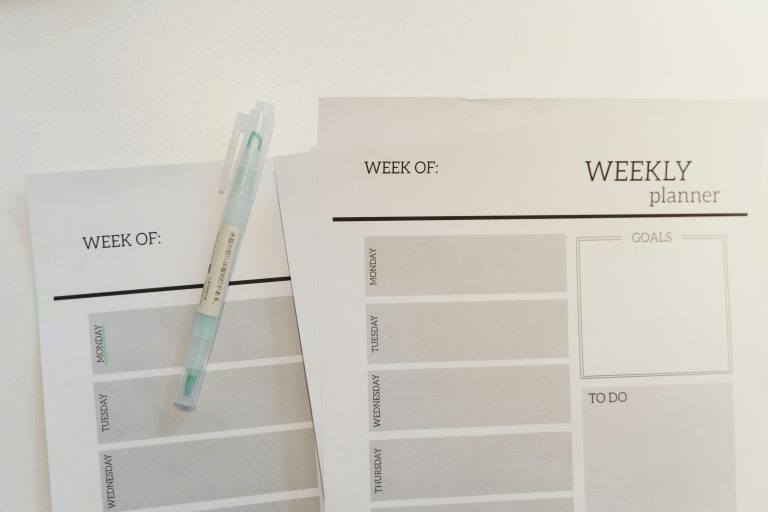
Free Tool: Chronic Illness Work Survival Kit
If flares regularly throw your workdays into chaos, having systems in place makes a difference.
The Chronic Illness Work Survival Kit includes:
- a flare-day work protocol
- energy-based planning tools
- workplace communication scripts
- tools to reduce daily strain
[Download the Chronic Illness Work Survival Kit]
Final Thought
Working during a flare is not about powering through.
It’s about staying calm enough to make decisions that don’t cost you more than the flare already has.
Less panic.
Less damage.
More continuity.
That’s what keeps work – and health – sustainable over time.